

Hoshizaki ice machine not making ice or beeping? Diagnose the fault fast and know when to call a Melbourne technician. Same-day inspections available.
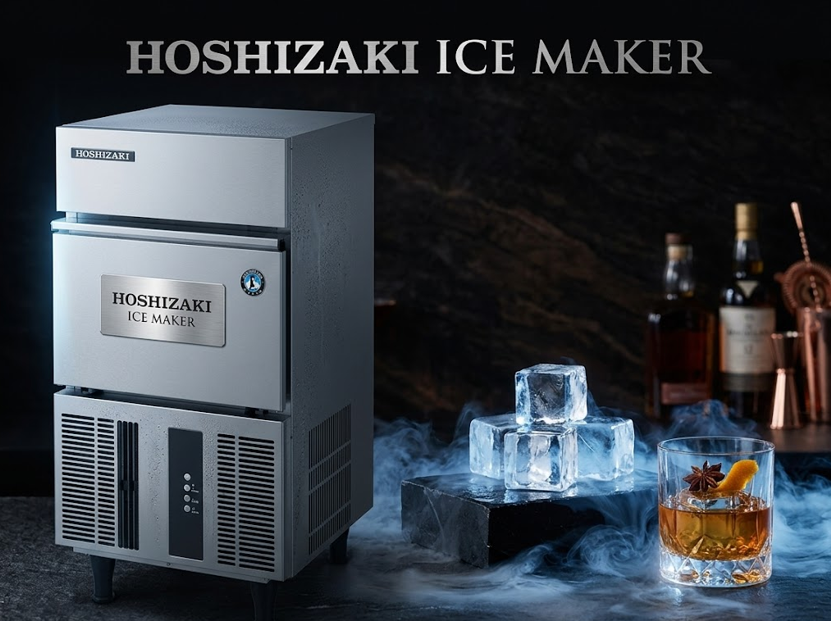
Hoshizaki Ice Machine Not Working? Here’s How to Diagnose the Problem
When a Hoshizaki ice machine drops out mid-service, where you start the diagnosis matters more than how fast you move. Power and float switch faults get resolved in minutes if you know what to look for. Compressor failure and refrigerant issues are a different category entirely, licensed technician work, not something to approach in-house.
This is what the common fault patterns look like in Melbourne commercial kitchens, and what each one typically requires.
What Causes a Hoshizaki Ice Machine to Stop Making Ice?
Start with power. Check that the machine is switched on, plugged in, and that the circuit breaker hasn’t tripped or a fuse blown. It sounds like the obvious starting point, it is, and it accounts for more emergency call-outs than most operators expect.
If power is confirmed, look at the float switch. Scale accumulates around it over time, particularly in Melbourne suburbs with harder water supply, and when that happens, the switch sticks, telling the machine the bin is full when it isn’t. Production stops as a result. Cleaning it with an approved ice machine cleaner often resolves the fault. If the switch still doesn’t operate correctly after cleaning, it needs to be replaced rather than further cleaning attempts.
Water inlet valve failure, control board faults, and compressor problems sit further down the diagnostic chain. Each one requires progressively more involved work; a failed inlet valve is a parts replacement, a control board fault needs proper testing before condemning the board, and compressor failure is the point at which a commercial appliance repair technician needs to be involved.
Why Is the Hoshizaki Running But Not Making Enough Ice?
Low ice production rather than zero output usually points to environmental conditions before it points to a mechanical fault.
Room temperature is worth checking first. Hoshizaki rates its machines’ output at around 21°C ambient. In a Melbourne summer kitchen running at 30°C or above, the unit produces measurably less ice because the condenser struggles to shed heat at that temperature; it’s a physics constraint rather than a malfunction. Improving airflow around the condenser or repositioning the unit where possible can recover meaningful output without any parts replacement.
Incoming water temperature is the next variable. Water arriving warmer than expected, because of pipe location, seasonal supply shifts, or a hot water crossover, slows ice formation noticeably. Add scale on the evaporator, or a partially blocked water filter alongside that, and low ice production can persist even when nothing is mechanically wrong.
If those environmental factors check out and the problem persists, the issue is likely refrigerant, a slow leak or an incorrect charge. That’s licensed technician territory.
What Do Hoshizaki Ice Machine Beep Codes Mean?
Hoshizaki KM-series units use an audible alarm built into the control board. Each pattern points to a specific fault; the machine is telling you what’s wrong before you’ve opened anything.
| 1 beep | High temperature safety warning. The machine has detected an internal temperature above approximately 53°C and shut down to prevent damage. A faulty hot gas valve is the most frequent starting point for diagnosis. Hot water accidentally entering the unit produces the same alarm, as does a shorted thermistor, though that’s less common. |
| 2 beeps | Harvest cycle backup alarm. Two consecutive 20-minute harvest cycles ran without completing normally. An open thermistor is usually where diagnosis begins here. If the thermistor checks out, look at the thermostatic expansion valve for leaks and confirm the hot gas valve is opening correctly. |
| 3 beeps | Freeze timer alarm. The freeze cycle ran longer than normal on two consecutive runs and exceeded its set limit. A stuck float switch is often behind this one, the same component that causes ice production to stop entirely when it fails fully. A leaking water inlet valve produces the same pattern, and a low refrigerant charge is also worth checking if neither of those is the issue. |
| 4 or 5 beeps | Circuit fault at the K4 connection. Four beeps indicate a short circuit between the K4 connection on the control board and the bin control. Five beeps indicate an open circuit at the same point. Check connections first and replace the wire harness if the fault persists. |
| 6 or 7 beeps | Voltage fault. Six beeps mean the voltage has dropped below the safe operating threshold. Seven means it’s exceeded the upper limit. The machine restarts automatically once the voltage returns to the correct range. If this alarm keeps recurring, the power supply rather than the machine itself is what needs attention |
One practical note: the alarm can be silenced with the reset button on the control board. That’s fine during busy service, but record the code first. Resetting without noting the pattern means starting the diagnosis from scratch.
Beep patterns on Hoshizaki flaker and specialty ice units differ from the KM-series. Check the model-specific service manual rather than assuming the codes above apply across the range.
Why Is the Hoshizaki Ice Machine Freezing Up?
Freeze-up happens when ice forms on the evaporator plate itself rather than releasing into the bin correctly. The unit keeps running, but production stops because the plate is iced over.
Defrost the unit fully before inspecting anything. Trying to assess the evaporator while it’s frozen over doesn’t give an accurate picture of what’s actually happening underneath.
Once defrosted, look at the evaporator plate for scale and mineral deposits. In Melbourne’s water conditions, this builds faster than most operators expect, and scale-coated coils don’t release ice cleanly, which is how the freeze-up cycle starts and keeps repeating. Hoshizaki’s recommended descaler for this is ScaleAway, used according to the label.
If the evaporator looks clean, the waterline is worth checking next. An undersized inlet line or valve restricts water flow rate enough to cause freeze-up over time. In machines located near external walls or in poorly insulated service areas, frozen waterlines are also possible during cooler months, less common in Melbourne than in colder climates, but worth ruling out.
A machine that keeps freezing up despite clean coils and adequate water flow usually has a control board or refrigerant fault that requires a commercial freezer repair technician to diagnose properly.
Why Is the Hoshizaki Making Unusual Noises?
Some background hum is normal. Any sound that’s new, louder than usual, or noticeably different from how the machine has always run is worth investigating rather than waiting out.
Grinding usually comes from the compressor or fan motor. In Hoshizaki units, the gear motor bearing and gear head are worth checking; wear in either tends to show up as noise before the component fails completely. Early-stage wear can sometimes be extended with cleaning and lubrication, but visible damage means replacement rather than maintenance.
Rattling often has a simpler cause. The solenoid is a common source; loose screws allow vibration to build into an audible rattle during operation. Tightening and applying sealant usually resolves it. Worth checking before assuming something more serious is happening.
A split or unbalanced fan blade creates noise and puts the fan motor under strain in the process. Caught early, it’s a straightforward replacement, considerably less so if the motor fails because the blade issue was left to run.
Why Is the Hoshizaki Ice Machine Leaking?
Where the water is appearing matters as much as the leak itself.
Water on the floor around the machine almost always points to a plumbing issue. A loose-fitting or cracked supply line presents this way, as does a drain obstruction causing water to back up rather than clear. The fix in both cases involves a plumber, turn the machine off, contain the water if possible, and get the supply line or drain assessed before restarting.
Leaks originating inside a commercial kitchen appliance cabinet are a different situation. Internal water where it shouldn’t be requires a technician to assess with the machine switched off. Attempting to inspect internal leaks while the unit is running creates an electrical hazard.
One thing worth doing regardless of where the water appears: check whether a blocked drain or failing drain pump is the actual source before drawing conclusions about anything more serious. Either can present as a leak even when the machine itself is mechanically fine, and clearing or replacing one removes the need for a call-out entirely.
What Causes Mould or Off-Tasting Ice in a Hoshizaki Unit?
Mould inside a commercial ice machine is almost always a handling or placement issue rather than a mechanical one.
The handling side is straightforward: ice should only ever be moved with a dedicated scoop, cleaned nightly. Using hands or returning glassware introduces bacteria consistently and quickly. It’s a simple standard that gets relaxed during busy service and causes recurring problems when it does.
Placement is less obvious. Units positioned near prep stations handling yeast, dough, or high-sugar ingredients sit in an environment more hospitable to mould. If the problem keeps returning despite a proper cleaning schedule, where the machine is located in the kitchen, is worth reviewing.
For ice quality issues, cloudy ice, off-taste, or unusual smell without visible mould, the water filter is the first thing to check. A filter running past its replacement schedule affects taste before it causes any mechanical issue, and it’s one of the cheaper fixes. If the filter is fine, the evaporator is the next place to look. Mineral buildup changes ice quality before it creates mechanical problems, and it’s often further along than expected by the time taste issues become noticeable.
Should You Repair or Replace a Hoshizaki Ice Maker?
A single component failure on a well-maintained Hoshizaki unit is rarely a case for replacement. These machines are built to run 10–15 years with proper servicing, and repair is the right call when the fault is isolated and the unit is under a decade old.
The calculation shifts when faults start occurring in clusters. A second or third repair within a short window, particularly when each one involves a different system, often indicates the machine is reaching the end of reliable service life rather than experiencing isolated bad luck. At that point, continuing to repair can cost more than replacement over the following 12–18 months.
There’s a refrigerant consideration worth factoring in separately from the age-and-fault calculation. Some Hoshizaki units from older production runs use refrigerants that are being phased out under Australian environmental regulations. It’s not a crisis point for most machines currently, but as the phase-out progresses, sourcing becomes harder, and service costs for those systems tend to climb in ways that aren’t easy to anticipate at the time of a repair decision. Worth knowing before committing to a major repair on an older unit.
Getting to a clear repair-or-replace answer usually requires Citywide’s commercial appliance technicians to look at the specific machine. A 12-year-old unit with one isolated fault and a clean service history is a genuinely different situation from a 10-year-old machine that’s had four repairs across three different systems, even though the age looks similar on paper.
How Often Should a Hoshizaki Ice Machine Be Serviced?
For most commercial kitchen operations running Hoshizaki units, professional servicing twice a year is where to start. That interval holds for venues with moderate output and reasonable water quality. Kitchens running continuous service across long shifts, hotel operations, large venues, busy bars, often find that quarterly servicing is what actually keeps the machine reliable, rather than just technically maintained.
The water conditions in your specific location matter here, too. Parts of Melbourne with harder supply accelerate scale buildup on the evaporator and in the water system. A machine that would hold up fine on a six-month schedule in one suburb might need quarterly attention a few kilometres away, depending on what’s coming out of the tap.
The air filter is worth cleaning monthly between professional services. In grease-heavy kitchen environments, it clogs faster than most operators expect, and a blocked filter affects both ice output and condenser efficiency before it shows up as an obvious fault.
Water filters are harder to put on a fixed schedule. Usage volume, water hardness, and how hard the machine is working all affect how quickly a filter saturates. Check it every few months and replace it when it needs it rather than waiting for a calendar prompt.
Bin sanitising is a separate routine from mechanical maintenance; it needs to happen more frequently than either. Ice is consumed directly, the bin is accessed constantly during service, and the environment inside stays cold and wet. Those conditions don’t take long to create problems if cleaning slips.
The Fault That Doesn’t Make the Service Log
Most Hoshizaki breakdowns that end in significant repair started with something smaller that got explained away. A production drop was attributed to summer heat that persisted into autumn. A new sound during dinner service that didn’t seem urgent enough to act on. A water filter was overdue, but the machine was still producing ice, so it stayed on the list.
The machines that hold up well over time tend to be on a proper maintenance schedule, not because servicing prevents every fault, but because regular professional visits surface the things that don’t show up in daily operation until they become expensive.
If your Hoshizaki ice machine is showing any of the signs above, contact Citywide Appliance Repairs. We service commercial ice machines and refrigeration equipment across Melbourne, with same-day inspections available for urgent faults.

When to Service or Replace Your Commercial Dishwasher?
From limescale to leaks, know when your commercial dishwasher needs attention. Melbourne’s kitchens trust Citywide for fast, reliable repairs. Book now. Most hospitality businesses don’t

When Should a Restaurant Replace or Repair Its Cool Room?
Rising bills, temperature drops, recurring faults, your cool room may be past repair. Get an honest assessment from Citywide Melbourne. The first sign is usually
Hoshizaki Ice Machine Troubleshooting Guide
Hoshizaki ice machine not making ice or beeping? Diagnose the fault fast and know when to call a Melbourne technician. Same-day inspections available. Hoshizaki Ice
Appliance Parts No Longer Available? We Custom Make Them
Discontinued parts don’t always mean a write-off. We custom make oven elements, door glass and more, and we’ll tell you honestly if repair is worth
Washing Machine Not Draining? A Guide on How to Fix It
Washing machine not draining? Most faults come down to the filter or hose ÔÇö fix it yourself or book a same-day Melbourne technician. You opened
Commercial Oven Repair or Replace? Melbourne Cost Guide
Wondering whether to repair or replace your commercial oven? A Melbourne cost guide covering realistic price ranges, downtime, and when each call makes sense. For