

Washing machine not draining? Most faults come down to the filter or hose — fix it yourself or book a same-day Melbourne technician.

You opened the machine expecting damp clothes. Instead, there’s standing water, the cycle has ended, and it’s not obvious why.
Most washing machine drainage faults are fixable without a technician. The pump filter is the first thing to check; it’s behind the small access panel at the lower front of the machine, and it causes more drainage problems than everything else on this list combined.
Why Does a Washing Machine Stop Draining?
Water has stopped moving somewhere between the drum and the outside world. The drain path runs through the pump filter, the drain pump, the hose, and out through the standpipe. Block or damage any one of them, and water stays put.
The most common causes:
|
The standpipe one catches people off guard. If you’ve already replaced the machine once and the new one has the same problem, the standpipe setup is worth checking before anything else. A hose inserted too far down creates a siphoning effect that pulls water back into the drum as fast as the pump expels it.
What Does “Not Draining” Actually Look Like?
Water pooling in the drum after the cycle ends means the pump stopped moving water entirely, blocked or failed. That’s the most obvious presentation, and it’s what most of this guide covers.
Clothes coming out sopping wet without visible pooling are different. The machine may be draining but cutting the spin cycle short, usually because the load shifted during the wash, the machine isn’t sitting level, or a suspension rod has worn out. Easy to confuse with a drainage fault. Not the same fix.
Error codes, dE, nd, E2, mean the machine flagged its own drainage fault and stopped. Usually, the pump or filter.
A humming sound during the drain phase, with nothing moving, is the one worth paying attention to. The impeller, the rotating part inside the pump that actually pushes water through, is either jammed or broken. If the sound cuts out completely, the motor may have seized rather than just stalled. A jammed impeller can sometimes be freed manually once the access panel is off. A seized motor needs replacing. Misreading one as the other means pulling the machine apart twice.
1. Clean the Pump Filter | The filter sits behind a small access panel at the lower front of the machine, a round cap, usually hand-tightened on most Samsung, LG, Bosch, and Fisher & Paykel front loaders. Put towels down before opening it. There will be more water than you expect. Unscrew it slowly, let the water drain into a tray, then pull the filter clear. Lint, coins, hair ties, button loops, it all accumulates here over time and eventually blocks the pump intake. Rinse it under the tap, check inside the housing for anything still sitting there, then seat the cap properly before tightening. A loose cap leaks, so don’t rush the reinstall. If the machine hasn’t been opened in over a year, the water will be dark and the filter matted. That’s neglect, not damage. One thing to try before pulling the hose: turn the machine off at the wall, wait sixty seconds, run an empty drain and spin cycle. Occasionally, a cycle error is the whole problem, and a reset is all it takes. |
2. Check the Drain Hose | Pull the machine away from the wall and run your hand along the full length of the hose, feeling for pinch points or sharp bends. Most kinks form at the back, where the machine has gradually been pushed hard against the wall. If the hose looks fine, check how far it sits inside the standpipe. Ten to fifteen centimetres is about right, no deeper. A hose pushed too far down creates a siphoning effect that draws water back into the drum. This was the root cause in a Reddit thread that got a lot of attention on this exact problem: someone had replaced their washing machine twice, with the same symptom each time, until they realised the standpipe wasn’t set up correctly on any of them. Adding a proper standpipe section at the right height fixed it. The hose should also loop upward before dropping into the standpipe; that high point stops backflow. Most machines come with a bracket to hold it in position. If yours has gone missing, the hose may have dropped lower than it should be. If the hose looks blocked rather than kinked, disconnect it and run water through it outside. A long, flexible brush will clear most lint buildups. Once water flows freely, check the height before pushing the machine back. |
3. When It’s the Drain Pump | If the filter is clean, the hose is clear, and the standpipe is set up correctly, the pump is next. Humming with no water moving usually means the impeller is jammed. Debris occasionally makes it past the filter and locks it in place. Accessing the pump means removing an access panel, front or rear, depending on your model. Once you’re in, try rotating the impeller manually. If it moves freely, the blockage has likely cleared. If it won’t turn at all, the pump has failed mechanically. Complete silence during the drain phase is different; it is usually a failed motor or a wiring fault rather than a mechanical jam. Then there’s the burning smell. If you notice it, stop the machine and don’t restart it. A seized motor generates significant heat, and running further cycles risks damaging components well beyond the pump. That smell means a technician visit regardless of where you are in this process. A pump that’s failed electrically can be confirmed with a multimeter and a basic continuity test. Samsung, LG, and Bosch parts are generally available through local Australian appliance suppliers. A qualified appliance technician can usually complete the replacement in a single visit. If the machine is under warranty, don’t open it. Call the manufacturer first. Opening it yourself can void the cover. |
4. Other Causes Worth Checking | Overloading doesn’t cause a clean drainage failure in a standard washer or washer-dryer combo; the machine just exits the spin cycle early to protect itself. Clothes come out wetter than they should, sometimes with a small amount of water remaining in the drum. Try a noticeably smaller load. If that solves it, you’ve found the issue. The lid switch on top loaders is worth a physical check. Press it, there should be an audible click. Nothing there means the machine won’t complete the drain and spin cycle regardless of what else you try. It’s an inexpensive part to replace. Detergent is one thing people rarely consider. Front-loaders need low-sudsing detergent specifically, too much of the wrong type generates foam that the pump genuinely struggles to shift. If the problem appeared after switching brands or increasing quantity, run an empty hot cycle to clear it out. An unlevel machine vibrates during spin, triggers its own balance detection, and automatically reduces spin speed. The result looks like a partial drainage problem, but it isn’t one. A spirit level across the lid and a few minutes adjusting the feet is usually all it takes. If you need to remove standing water before diagnosing anything, a wet/dry vacuum held to the end of the drain hose. Faster than bailing by hand, and considerably easier on your back when there’s a full drum of water to shift. |
When to Call a Technician
The filter, the hose, the standpipe, all reasonable DIY territory. No special tools, low risk, and they cover the majority of drainage faults, but mistakes are common to occur.
Pump replacement, electrical testing, or anything involving the control board is where a technician makes more sense. A pump replacement for most Melbourne households, parts and labour, is considerably less than the cost of a new machine, and getting someone in before a secondary fault develops is usually the cheaper outcome.
If you’ve worked through everything here and it’s still not draining, contact us, running repeated cycles on an unresolved fault can take what started as a blocked filter and turn it into a seized motor. The repair bill at that point reflects the difference.
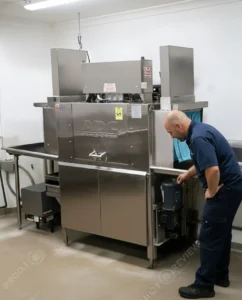

When to Service or Replace Your Commercial Dishwasher?
From limescale to leaks, know when your commercial dishwasher needs attention. Melbourne’s kitchens trust Citywide for fast, reliable repairs. Book now. Most hospitality businesses don’t
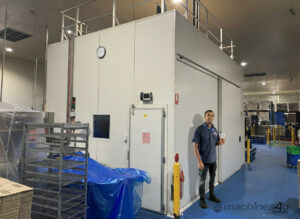

When Should a Restaurant Replace or Repair Its Cool Room?
Rising bills, temperature drops, recurring faults, your cool room may be past repair. Get an honest assessment from Citywide Melbourne. The first sign is usually

Hoshizaki Ice Machine Troubleshooting Guide
Hoshizaki ice machine not making ice or beeping? Diagnose the fault fast and know when to call a Melbourne technician. Same-day inspections available. Hoshizaki Ice
Appliance Parts No Longer Available? We Custom Make Them
Discontinued parts don’t always mean a write-off. We custom make oven elements, door glass and more, and we’ll tell you honestly if repair is worth
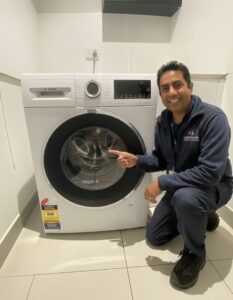
Washing Machine Not Draining? A Guide on How to Fix It
Washing machine not draining? Most faults come down to the filter or hose ÔÇö fix it yourself or book a same-day Melbourne technician. You opened
Commercial Oven Repair or Replace? Melbourne Cost Guide
Wondering whether to repair or replace your commercial oven? A Melbourne cost guide covering realistic price ranges, downtime, and when each call makes sense. For