

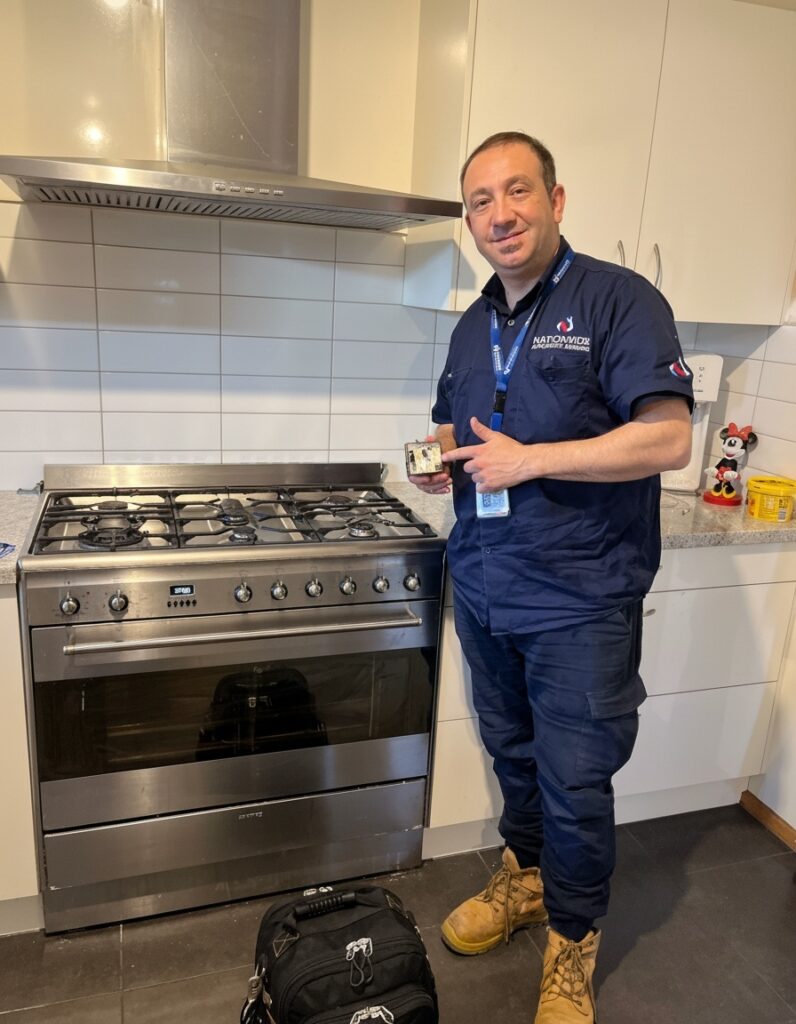
Getting the appliance installation right is what stands between a new machine that just works and one that rattles, leaks, or trips the power on day one. Most people pour all their energy into choosing the fridge or the washer, then treat the setup as an afterthought.
That is usually where the trouble starts. A brand new unit squeezed into a tight cavity, sitting on an uneven floor, or plugged into the wrong outlet will not perform the way it should, no matter how good it is.
The good news is that a smooth appliance installation is mostly about preparation. You do not need to be handy. You just need to know what to check before the delivery arrives and what to watch for once the machine is in place.
Measure Twice Before Anything Arrives
The single most common headache with any appliance installation is a unit that does not fit. Boxes list neat dimensions, but your kitchen or laundry has its own quirks. Measure the width, height, and depth of the space, then measure the doorways and hallways the appliance has to travel through to get there.
Leave breathing room too. Fridges and freezers need a gap at the back and sides so heat can escape, and a dishwasher wedged too tightly into cabinetry can be a nightmare to service later. It also pays to think about running costs before you buy, and the government guide to the Energy Rating Label explains how to compare efficiency between models.
If you have ever wondered why a repair quote climbs, part of it is the time spent easing a machine out of a cramped spot. The team at Citywide Melbourne Appliance Repairs see cramped cavities cause premature faults all the time, so the space you leave during appliance installation saves you money down the track.
Sort Out Power, Water, and Gas First
Different appliances have different demands, and good appliance installation starts with matching the machine to your services. Ovens and dryers often pull enough power to need their own dedicated circuit, so check that your outlet actually matches what the machine calls for.
A quick look at the plug type and the voltage on the rating plate tells you most of what you need. If you are ever unsure whether your wiring is up to the job, Energy Safe Victoria’s guidance on electrical installation requirements is a solid reference point.
For anything that uses water, like a dishwasher or a washing machine, confirm where the supply and drain connections sit and that the taps are working. Gas appliances are a different story.
A gas appliance installation should always be handled by a licensed technician, both for safety and because a poor connection can be dangerous. If your new cooktop or oven runs on gas, book a certified professional rather than trying it yourself.
Level It, Then Test It
Once the appliance is in position, leveling matters more than people think, and it is a step too many rush through during appliance installation. A washing machine that is even slightly off balance will shake, walk across the floor, and wear out its bearings faster. Most machines have adjustable feet for exactly this reason. A small spirit level makes the job quick.
After that, run a test cycle before you call the appliance installation done. Fill and drain a dishwasher empty. Run a short wash on the machine. Let the fridge sit and reach temperature before you load it with food.
This is the moment small issues show up while they are still easy to fix, rather than a week later when your groceries are at risk. If a machine starts leaking or refuses to drain during that first run, it is worth reading up on what a washing machine not draining usually points to before you assume the worst.
Protect the Floor and the Surrounds
A part of appliance installation people rarely plan for is what sits underneath and around the machine. Heavy units dragged across floorboards or tiles can leave scratches and gouges that are far more annoying than the setup itself.
A sheet of hardboard or even a folded moving blanket under the machine while you shuffle it into position saves the surface, and it makes the final nudge into place much easier on your back.
Ventilation deserves the same attention. Fridges, freezers, and dryers throw off heat, and boxing them into a sealed nook makes them work harder and fail sooner. Where the manual specifies a clearance, treat it as a rule rather than a suggestion. If you are placing a washing machine or dishwasher near a finished wall, a simple drip tray underneath catches the slow leaks that would otherwise rot skirting or warp the floor before you notice.
None of this is difficult, but it is the sort of detail a rushed appliance installation skips, and it is exactly what turns up as damage months later.
Give New Appliances Time to Settle
Some machines need a little patience after appliance installation. A fridge that has been lying down or tilted during transport should stand upright for a few hours before you switch it on, so the oil in the compressor settles back where it belongs.
Coffee machines and other small units often ship with protective tape, foam, or transit bolts that must come off first. Skipping these steps is a quiet way to damage a machine before you have even used it.
Speaking of small appliances, they can be surprisingly particular. If you are setting up an espresso machine and it is not behaving, the fix is often simple maintenance rather than a fault, and a guide like this DeLonghi coffee machine walkthrough covers the usual suspects.

Know When to Call a Professional
Plenty of setups are genuinely a do-it-yourself job. Plugging in a benchtop appliance or sliding a freestanding fridge into place is within reach for most people.
But integrated units, gas connections, and anything wired into your home turn appliance installation into a job for a trained hand. One slipped screwdriver near a control board or a loose gas fitting turns a simple task into an expensive one, or a hazard.
A good technician does more than connect a machine. During any appliance installation they check the environment, confirm the fit, and make sure the unit is running safely before they leave. That is the difference between a machine that lasts and one that fails early.
If your old unit was written off because a part is no longer made, it is also worth knowing that some repairers can custom make them, including oven elements and door glass, which sometimes makes keeping the old machine the smarter call before you commit to a replacement.
Done properly, a careful appliance installation is what makes a new machine feel like it truly belongs in your home from the very first day.
Keep the Paperwork Somewhere Safe
The last step of any appliance installation happens after the machine is running. Hold onto the manual, the receipt, and the warranty card, and note the model and serial number somewhere you will find them again.
If a fault shows up in the first year, that paperwork is the difference between a free warranty repair and paying out of pocket. It also makes life easier for whoever services the machine later, since they can look up the exact model before they arrive rather than guessing on the day.
It is worth registering the appliance with the manufacturer too, where that option exists. Registration often extends or activates part of the warranty, and it means you get told directly if the model is ever subject to a safety recall. A few minutes spent filing this away turns a good appliance installation into one that keeps paying off long after the delivery van has gone.
Frequently Asked Questions (FAQs)
Q1. Can I Handle an Appliance Installation Myself?
Freestanding and benchtop units are usually fine to set up yourself, as long as you follow the manual and remove all transit protection. Any appliance installation involving gas, hardwiring, or built-in cabinetry is best left to a licensed and certified technician for safety and to protect your warranty.
Q2. How Long Should a Fridge Stand Before Turning It On?
If a fridge has been transported upright, a couple of hours is enough. If it was tilted or laid down, give it around four to six hours so the compressor oil can settle. Switching it on too soon can damage the compressor.
Q3. Why Does My New Washing Machine Shake So Much?
Almost always it is levelling or leftover transit bolts. New machines ship with bolts that hold the drum in place, and these must be removed as part of the appliance installation. After that, adjust the feet until the machine sits level and steady.
Q4. Do I Need a Special Power Point for a New Oven or Dryer?
Often yes. High-draw appliances like ovens and dryers may need a dedicated circuit rather than sharing a general outlet. Check the rating plate against your existing point, and if you are unsure, have an electrician confirm it before delivery day.
Q5. Should I Run a Test Cycle After Setup?
Yes, always. Finishing an appliance installation with an empty cycle on a dishwasher or washer lets you catch leaks, drainage problems, or connection faults while they are still easy to fix, rather than discovering them mid-load a week later.


Dishwasher Repair That Saves Melbourne Kitchens
Putting off a dishwasher repair is one of those decisions that feels harmless at the time and expensive later. A machine that is draining slowly,

What to Do When Your Washing Machine Repair Just Can’t Wait
An urgent washing machine repair has a way of arriving at the worst possible moment, usually with a full drum of soaking clothes and a

The Appliance Repair Checklist Every Busy Household Should Keep Handy
The best time to think about appliance repair is not the morning your fridge stops cooling or your washer floods the laundry. It is now,
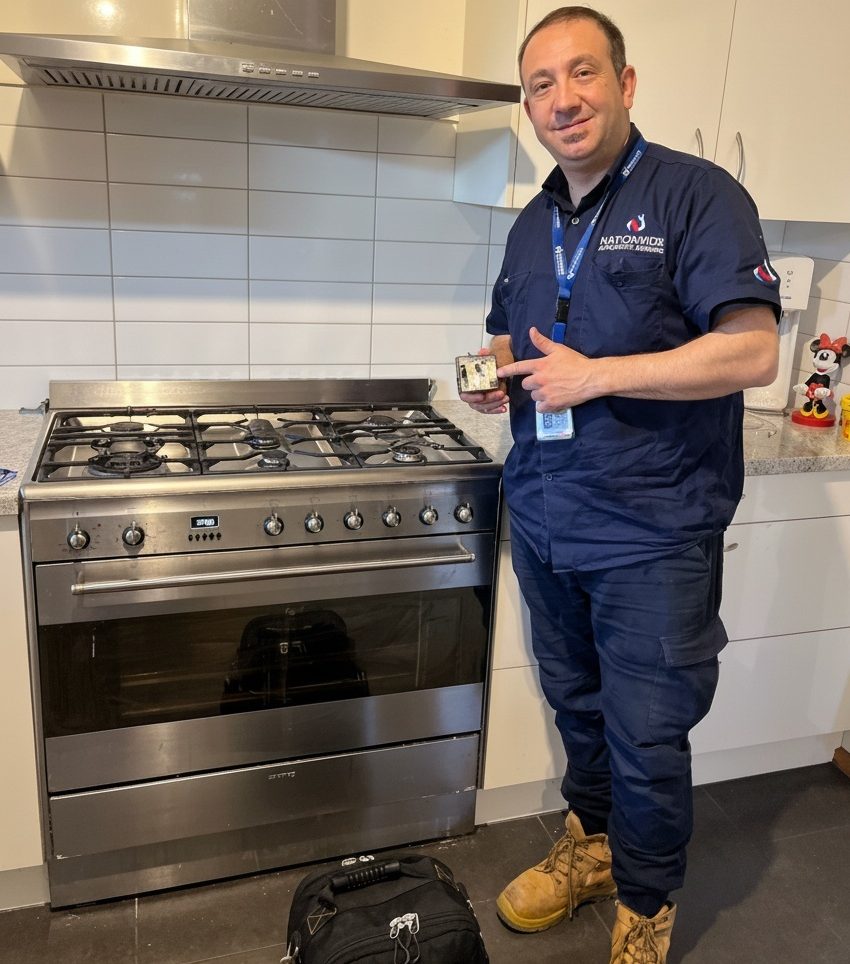
Appliance Installation Tips That Make Your New Appliance Feel Right at Home
Getting the appliance installation right is what stands between a new machine that just works and one that rattles, leaks, or trips the power on
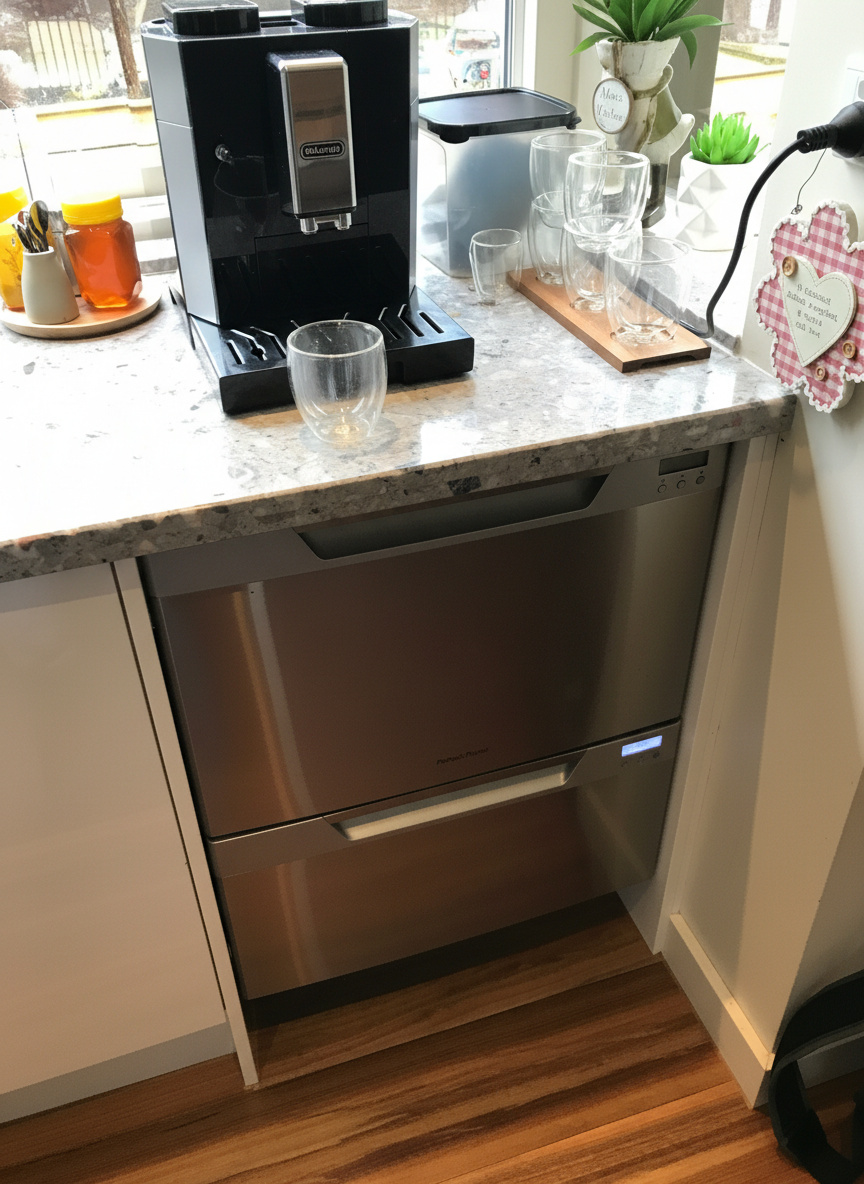
The Secret Life of Broken Ovens: Appliance Repair in Melbourne That Saves Dinner
When your oven dies an hour before guests arrive, appliance repair in Melbourne suddenly stops feeling like a chore and starts feeling like a rescue
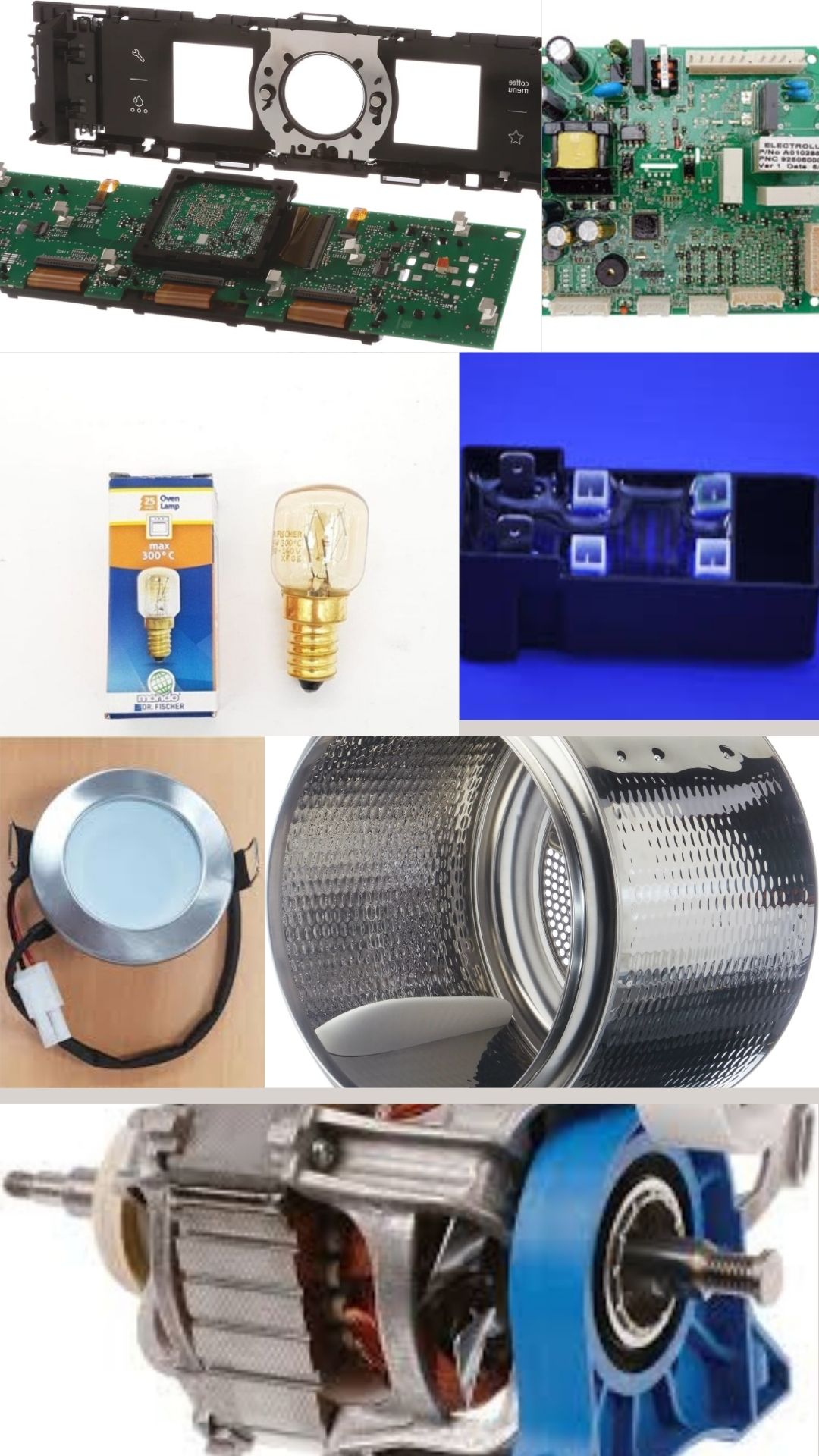
The Weirdly Important World of Appliance Parts and Why They Matter
Most of us never think about appliance parts until something stops working, and that is exactly when they suddenly become the most important thing in