

Putting off a dishwasher repair is one of those decisions that feels harmless at the time and expensive later. A machine that is draining slowly, leaving grit on the plates, or leaving a little water on the floor still technically works, so it is easy to keep loading it and hope the problem sorts itself out.
In a busy kitchen, that small fault rarely stays small. It quietly turns into water damage, mould, and a repair bill far larger than the one you avoided.
The point of acting fast is not to panic over every squeak. It is to understand how a minor dishwasher fault spreads if you ignore it, and why an early dishwasher repair protects both your kitchen and your budget.

A Small Leak Becomes a Big Problem Fast
The most damaging dishwasher faults are the ones you cannot easily see. A worn door seal or a cracked hose can let water escape slowly under the cabinetry, where it soaks into kickboards, flooring, and the base of your cabinets long before a puddle ever appears on show.
By the time you notice, the damage is done, and what would have been a simple dishwasher repair has grown into something structural.
Water sitting in the wrong place also invites mould, which is a health issue as much as a repair one, and advice on mould and your health explains how damp indoor spots can trigger breathing problems. A prompt dishwasher repair when you first spot dampness or a musty smell stops that spread in its tracks.
Because a dishwasher combines water and electricity in an enclosed space, a slow leak is also a safety concern, which is why guidance on electrical installation safety stresses keeping water away from connections. Left alone, a leak that started as an inexpensive seal replacement can become a job involving cabinetry, flooring, and wiring.
Poor Cleaning Is a Warning, Not Just an Annoyance
When a dishwasher stops cleaning properly, most people just rinse the dishes harder and carry on. But cloudy glasses, gritty plates, or detergent left in the dispenser are early signals that something specific has failed. Blocked spray arms, a clogged filter, or a struggling wash pump all show up first as poor results, and each is a candidate for a quick dishwasher repair.
Ignoring that is how a ten-minute fix becomes a motor replacement. The machine works harder to compensate, and the strain shifts to more expensive parts.
A quick dishwasher repair at the poor-cleaning stage is almost always cheaper than waiting until the pump gives out entirely. It also matters for hygiene, since a dishwasher that is not reaching proper temperature is not sanitising your dishes, and advice on safe food storage is only half the battle if the plates themselves are not properly clean.
Standing Water Should Never Be Left
Finding water pooled in the bottom of the dishwasher after a cycle is a clear sign the machine is not draining. It is tempting to bail it out and run another cycle, but that standing water can overflow onto the floor or reach the pump motor and cause an electrical fault.
The cause is often a blocked filter or a kinked drain hose, and the fix can be simple if you catch it early. Dishwashers usually drain into the same pipe as the kitchen sink, so a sink blockage can stop the machine emptying, and clearing the filter and hose is the first thing to try.
If clearing the obvious blockages does not restore normal draining, a dishwasher repair is the safe next step rather than forcing more cycles through it. The same “check the simple things first, then call a professional” approach applies to other kitchen appliances, as this guide for a gas stove not working lays out.
The Quick Checks Worth Doing First
Not every fault needs a technician, and a few simple checks can save an unnecessary call-out. Clean the filter at the bottom of the machine, since a build-up of food and grease there is behind a huge share of poor cleaning and drainage complaints.
Check the spray arms spin freely and that their holes are not clogged with debris. Make sure the door latches firmly, as a door that does not seal will stop the cycle and can look like a fault that needs a dishwasher repair when it does not.
For homes near the coast or in Melbourne’s harder-water areas, mineral build-up and grit are common culprits, so running an empty cycle with a dishwasher cleaner every month keeps the internal parts clear.
If a replacement ever does make sense, comparing water efficiency between models is worth doing, since a more efficient machine uses noticeably less water per wash. Many drainage and sealing problems also trace back to how the machine was fitted in the first place, so the advice in these appliance installation tips is worth a look if yours is fairly new.
If the basics do not fix it, that is the point where a proper dishwasher repair earns its keep, because the remaining faults usually sit inside sealed parts.
Why It Matters More for Commercial Kitchens
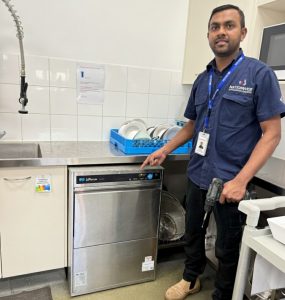
For a café or restaurant, a broken dishwasher is not an inconvenience, it is lost trading. Downtime measured in hours costs real money, and a kitchen cannot safely serve customers without clean, sanitised crockery. That raises the stakes on acting quickly and on deciding whether to repair or replace.
If you run a commercial kitchen, the repair-or-replace decision is a regular one, and it is worth thinking it through before a machine fails rather than in the middle of a lunch rush.
A dishwasher that needs frequent attention, is out of warranty, and is costing you in lost trading may be telling you its working life is over, and at that point another dishwasher repair may not be the sensible spend.
The same thinking applies across a professional kitchen, including knowing when a restaurant replace or repair call on its cool room makes more financial sense than pouring money into failing refrigeration.
Getting the Repair Done Efficiently
When you do book a dishwasher repair, a little preparation makes it faster and cheaper. Note the brand and model number, usually on a sticker around the door rim, plus any error code on the display and a description of the fault. A technician who knows the model in advance can often bring the right part and finish the dishwasher repair in a single visit.
Mentioning the machine’s history helps too. A recurring fault points somewhere different than a brand new one, and it can be the deciding factor in whether another dishwasher repair is worth the spend or the unit has run its course. The team at Citywide Melbourne Appliance Repairs note that the more detail you can give up front, the smoother the whole thing tends to go.
The Real Cost of Waiting
It is worth being honest about what delay actually costs. A seal is inexpensive. The flooring, cabinetry, and wiring that a slow leak can ruin are not. A blocked filter is a quick clean. A wash pump burnt out from being run dirty is a far bigger bill. In almost every case, the early fix is the small one.
That is the whole argument for acting quickly. A timely dishwasher repair keeps a minor fault minor, protects your kitchen from water damage and mould, and saves you from the far larger problems that come from waiting too long.
Frequently Asked Questions (FAQs)
Q1. Is It Safe to Keep Using a Dishwasher That Leaks Slightly?
No. Even a slow leak can soak into cabinetry and flooring out of sight and reach electrical parts. Stop using the machine, check the door seal and hoses, and arrange a repair before running more cycles, since the leak tends to worsen.
Q2. Why Is There Standing Water in the Bottom After a Cycle?
It means the machine is not draining, usually because of a blocked filter or a kinked drain hose. Clear those first. If the water remains, avoid running more cycles, as it can overflow or reach the pump motor, and book a repair.
Q3. My Dishwasher Runs but Dishes Come Out Dirty. Is That Urgent?
It is worth acting on. Poor cleaning usually points to blocked spray arms, a dirty filter, or a struggling pump. Fixing it early is inexpensive, while ignoring it puts strain on more expensive parts and can lead to a full pump failure.
Q4. What Can I Check Myself Before Calling a Technician?
Clean the filter, check the spray arms spin and are not clogged, confirm the door latches firmly, and run an empty cleaning cycle to clear build-up. If these do not solve the problem, the remaining faults usually need a professional.
Q5. Is a Broken Dishwasher More Urgent for a Business?
Yes. In a café or restaurant, downtime costs money by the hour and you cannot safely serve without sanitised crockery. Fast action, and a clear repair-or-replace decision, matters much more in a commercial kitchen than at home.

Dishwasher Repair That Saves Melbourne Kitchens
Putting off a dishwasher repair is one of those decisions that feels harmless at the time and expensive later. A machine that is draining slowly,

What to Do When Your Washing Machine Repair Just Can’t Wait
An urgent washing machine repair has a way of arriving at the worst possible moment, usually with a full drum of soaking clothes and a

The Appliance Repair Checklist Every Busy Household Should Keep Handy
The best time to think about appliance repair is not the morning your fridge stops cooling or your washer floods the laundry. It is now,
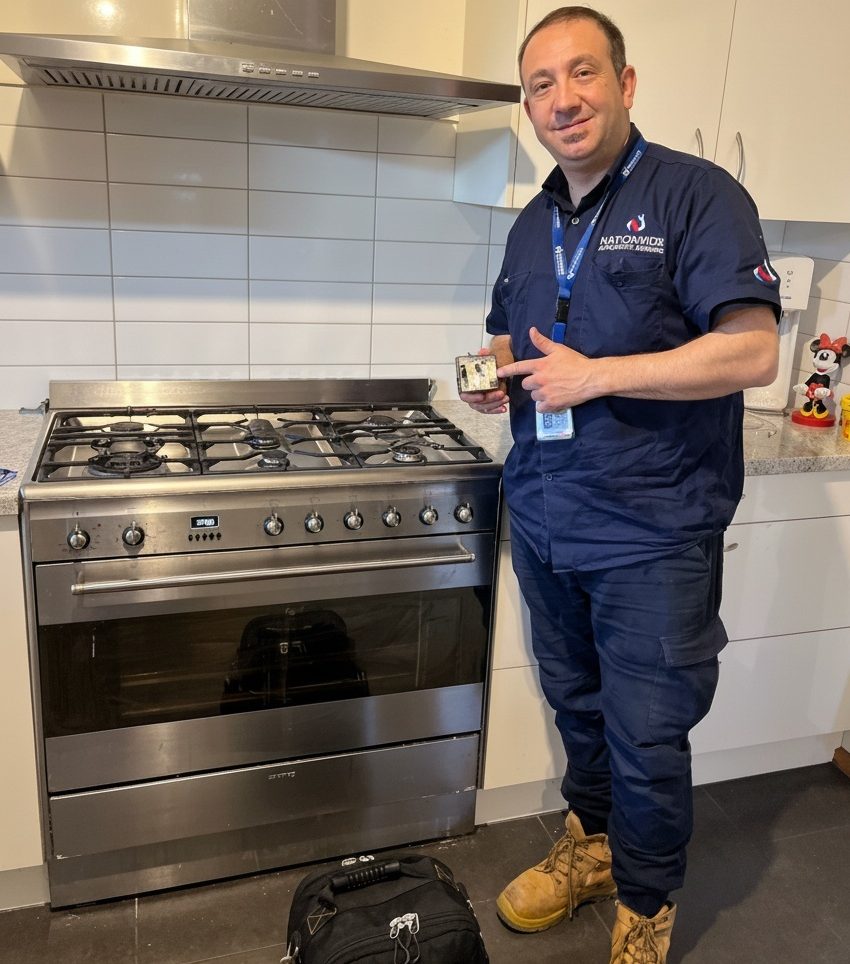
Appliance Installation Tips That Make Your New Appliance Feel Right at Home
Getting the appliance installation right is what stands between a new machine that just works and one that rattles, leaks, or trips the power on
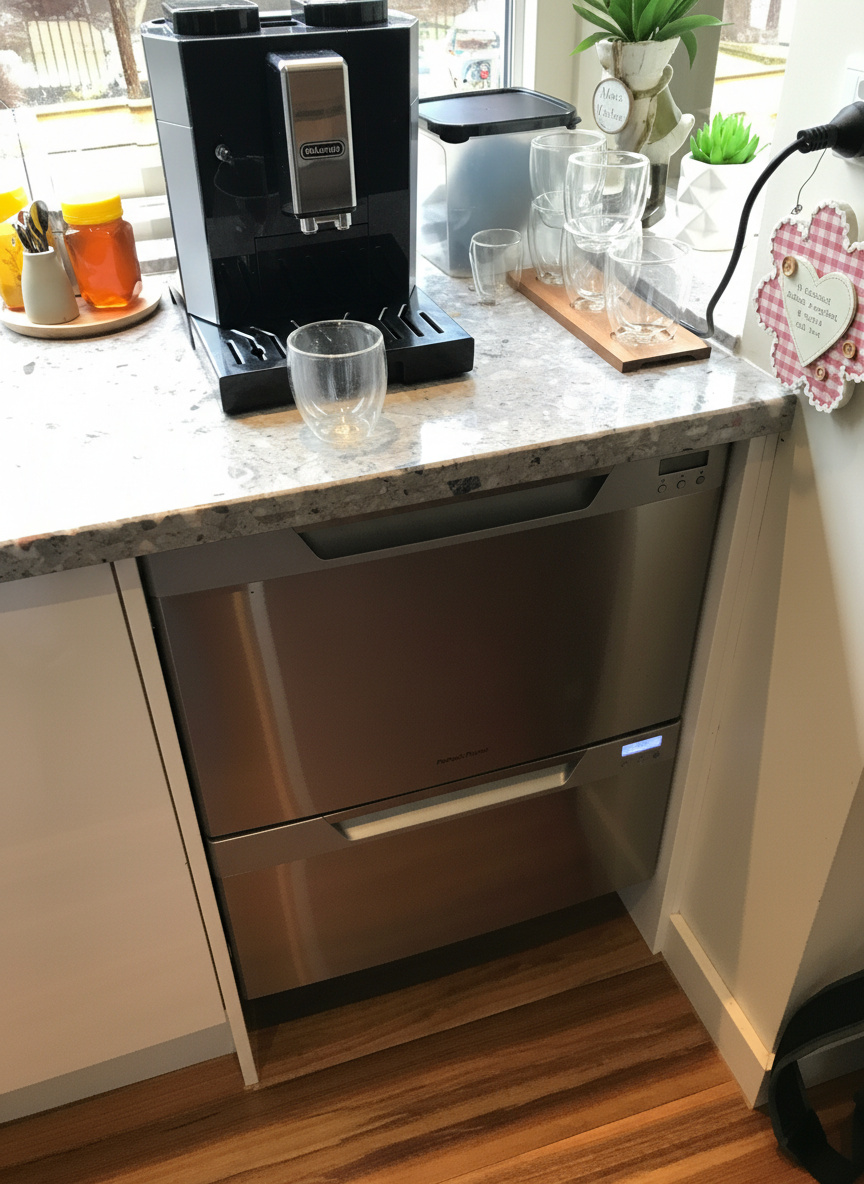
The Secret Life of Broken Ovens: Appliance Repair in Melbourne That Saves Dinner
When your oven dies an hour before guests arrive, appliance repair in Melbourne suddenly stops feeling like a chore and starts feeling like a rescue

The Weirdly Important World of Appliance Parts and Why They Matter
Most of us never think about appliance parts until something stops working, and that is exactly when they suddenly become the most important thing in