Wondering whether to repair or replace your commercial oven? A Melbourne cost guide covering realistic price ranges, downtime, and when each call makes sense.
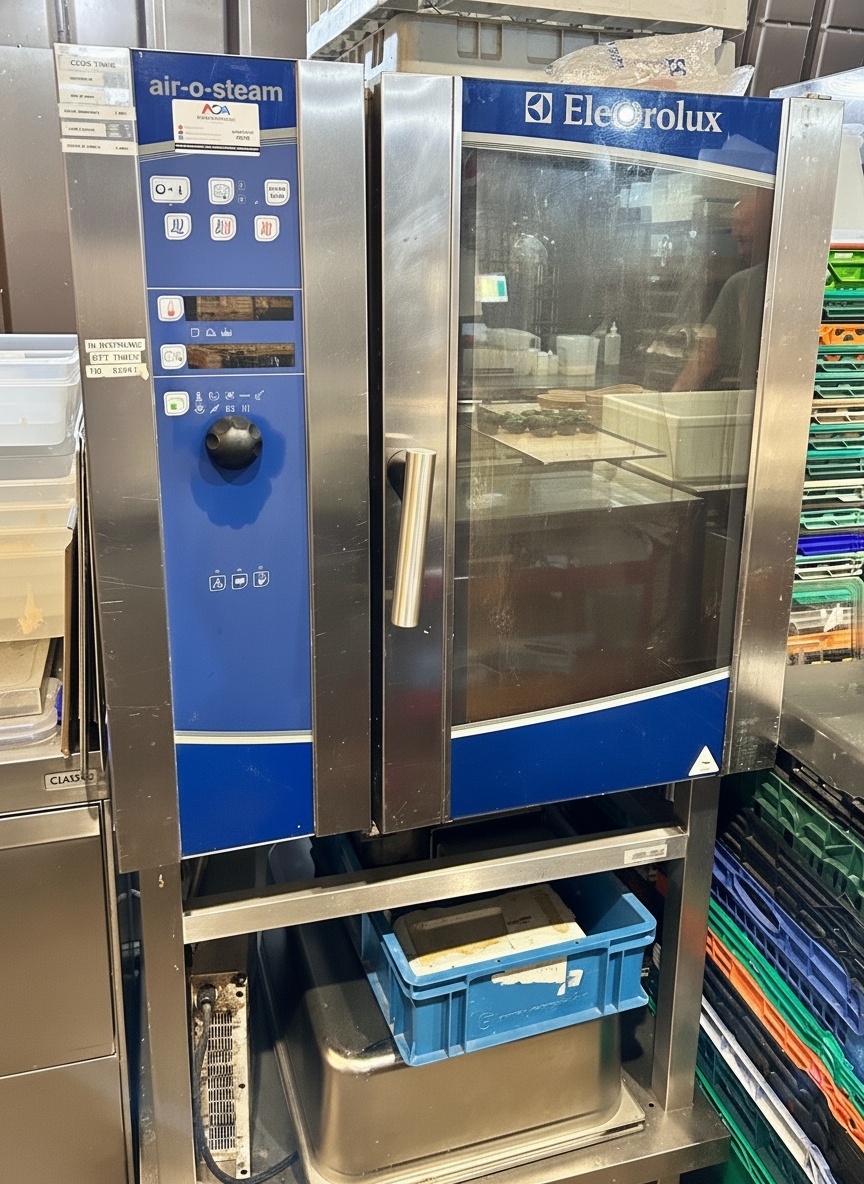
For most Melbourne commercial kitchens, the repair-versus-replace decision comes down to four things: oven age, the type of fault, parts availability, and how much downtime the kitchen can absorb. A commercial oven under eight years old with an isolated fault is almost always worth repairing. One past twelve years with recurring issues and obsolete parts usually isn’t. The middle years are where it gets genuinely tricky, and where a proper on-site diagnosis matters more than a quick phone quote.
A commercial oven repair in Melbourne typically lands in the lower-to-mid hundreds for common faults, heating elements, thermostats, ignition components, and fan motors. Replacement on a mid-range gas convection or combi unit starts in the mid-thousands and climbs quickly with brand and capacity. The maths is rarely as clean as that comparison makes it look, which is why the rest of this guide walks through how the decision actually gets made.
When is repairing a commercial oven worth it?
Repair is the right call when a few things line up.
The oven is still in its working life. The fault is identifiable, a specific component failure rather than a system-wide pattern. Parts can be sourced without weeks of waiting. When all three sit in the green, repair almost always wins on both cost and timeline.
Most commercial ovens in Melbourne kitchens are built to run between ten and fifteen years under normal service load. A Blue Seal turbofan doing brunch shifts in a Brunswick cafe will sit at the upper end of that range. A Waldorf or Goldstein in a hotel kitchen running back-to-back covers seven days a week sits closer to the lower bound. A combi oven in a school canteen used three hours a day can comfortably exceed it.
Where the fault is specific, a failed thermostat, a burnt-out element, or an ignition module that’s stopped firing, repair is usually the cheaper and faster option. These are wear components. Their failure doesn’t mean the rest of the oven is finished. It means the oven has done its job long enough to wear out the parts designed to be replaceable.
The other test is repair history. If the unit has been broadly reliable until now, a single fault appearing suddenly is usually a wear failure rather than a sign of general decline. That’s a repair, not a replacement candidate.
When does replacement become the smarter call?
Several patterns push the decision the other way.
Three or more separate faults inside twelve months is the clearest signal. When the control board goes, then the ignition, then a fan motor, all in the same year, that’s not bad luck. That’s age catching up with the unit. The next fault is usually weeks away, and the cumulative repair spend starts approaching the cost of a new oven.
Parts that are difficult to source change the calculation, too. Some older European brands and discontinued light-commercial models can take weeks to get parts for. A two-week wait on a control board for a fully booked restaurant rarely makes sense, even when the repair itself is reasonable. Replacement equipment with current parts support is the more practical decision in those cases.
Compliance is the other replacement trigger that catches kitchens off guard. Older gas ovens predating current AS/NZS 5601 installation standards, or units that have failed a recent gas safety inspection, can’t always be brought back to current code through repair alone. If a unit can’t be certified by a licensed gas fitter post-repair, replacement isn’t a choice; it’s a requirement.
And then there’s the harder one to quantify. Sometimes the real expense isn’t the repair invoice. It’s the downtime sitting underneath it.
What does downtime actually cost a commercial kitchen?
This is the figure most repair quotes miss, and it’s usually the biggest number on the page.
A commercial oven out of service during dinner trade doesn’t just lose the value of that night’s bookings. It pushes prep onto other equipment, slows ticket times, drops covers per hour, and, depending on the kitchen layout, can take a whole section off the menu. A pizza shop missing its deck oven on a Friday night is closed. A bakery without its rack oven from 3 am cancels the morning’s wholesale orders.
The honest version of the cost equation looks like this: repair invoice, plus downtime, plus any spoiled stock, plus the labour cost of staff working around the missing equipment. Sometimes, a same-day repair at a higher price beats a cheaper repair scheduled for three days out, because three days of disruption costs more than the price difference. That’s the calculation a good technician will help you work through. A phone quote can’t.
What faults are usually repairable on a commercial oven?
The common ones are.
Heating elements fail with age and heavy use; replacement is straightforward on most electric ovens and combi units. Thermostats drift out of calibration or fail outright, usually as a defined component swap. Ignition components on gas ovens, spark electrodes, ignition modules, and gas valves are serviceable parts, and most licensed technicians stock common variants. Door seals perish from the heat over time and are a wear item. Fan motors on convection ovens wear out at the bearings and windings; replacement is a standard repair.
The harder faults sit in two areas. Control boards on newer combi ovens and programmable units can be expensive, and sometimes brand-specific to the point that aftermarket alternatives don’t exist. The other is anything related to the gas train or burner system on older units, where parts are no longer manufactured.
The diagnosis-before-parts step matters here. A technician who diagnoses on-site can tell you which category your fault sits in before anything gets ordered. Ordering a part based on a phone description and finding the actual fault was something else that leaves you holding a non-refundable component you don’t need. We diagnose on-site first for exactly that reason; it’s the difference between paying for one job and paying for two.
How much should a commercial oven repair cost in Melbourne?
Costs vary by fault, brand, and how much labour the job carries, but realistic Melbourne ballparks look like this.
Common wear repairs, element, thermostat, ignition component, door seal, fan motor, typically sit in the lower-to-mid hundreds, including parts and labour on mainstream brands. More complex faults involving control boards, gas valve assemblies, or extensive parts on premium brands run higher, sometimes into the high hundreds or low thousands on combi ovens. The wide range reflects the real difference between a fifteen-minute element swap on a Goldstein and a control board replacement on a Convotherm that needs extensive testing.
Replacement is a different conversation. A new mid-range gas convection oven from Blue Seal, Goldstein, or Waldorf starts in the mid-thousands installed. A combi oven from UNOX, Convotherm, or Rational starts higher and climbs into the five figures for larger capacity units. Decommissioning the old unit, delivery, installation, and gas certification all add to the total costs that rarely show up in the headline replacement price advertised by suppliers.
The threshold most technicians use is straightforward. If the repair quote exceeds roughly half the cost of a comparable replacement, and the unit is past ten years old, replacement starts to look better. Under those numbers, repair almost always wins on cost.
Does the brand affect the decision?
It does, in two ways.
Parts availability differs significantly between brands. Goldstein, Waldorf, Blue Seal, and Cobra have strong parts networks in Australia, and most components ship within days. UNOX, Convotherm, and Rational generally have good support through authorised channels, though some specialty parts can take longer. Older or imported brands without local distribution can stretch a one-day repair into a three-week wait. That alone is sometimes the deciding factor.
The other side of it is build quality. A premium combi oven from a tier-one manufacturer is often worth repairing later in its life than a cheaper unit, because the chassis, cavity, and core systems have more service life left even when individual components fail. The opposite is also true: a budget brand at year eight is usually closer to end-of-life than a premium unit at the same age.
When custom-fabricated parts make a repair viable
This is the option most repair quotes don’t mention.
Certain commercial oven parts can be custom-made when the original is no longer manufactured. Heating elements, door glass, defrost elements, and some plastic mouldings are all fabricable in-house for specific units. It’s not always the cheapest route; custom fabrication carries its own labour cost, but it can keep an otherwise serviceable commercial oven running for years past the point its manufacturer has stopped supporting it.
Whether it’s worth doing depends on the unit. A ten-year-old Waldorf where everything else is in good condition, and only the element is causing trouble, is a strong candidate for custom fabrication. A unit with multiple failing systems isn’t. The honest answer comes from an inspection, not a phone call.
How Citywide approaches the call
Citywide has been repairing commercial ovens across Melbourne since 2009. The approach is unchanged in that time, diagnose on-site, give an honest read on whether the unit is worth repairing or whether replacement is the better option, and back the work that goes ahead with a 3-month labour warranty and 12-month parts warranty.
If a return visit is needed because a part has to be ordered, no second call-out fee applies. Commercial clients are invoiced rather than paying at completion. Same-day attendance is available subject to scheduling. For the genuinely awkward jobs, discontinued brands, obsolete parts, units that other repairers have written off, custom fabrication is something we’ll quote on where it makes commercial sense.
The point isn’t to repair everything. It’s to give the kitchen a clear read on what makes sense for the equipment, the trading rhythm, and what the budget can carry, and to be straight when replacement is the better call.
FAQ
Is it worth repairing a 10-year-old commercial oven?
It depends on the fault and how the oven has been running. A ten-year-old commercial oven with one isolated fault and otherwise good performance is often worth repairing; the core systems usually have years left. A ten-year-old oven with three faults in the past twelve months is closer to the end of its life. The cleaner read comes from a diagnosis, not from age alone.
How long does a commercial oven repair take in Melbourne?
Most common repairs are completed in one visit, usually within an hour or two of arrival on site. More involved repairs that need parts ordered take a return visit, typically within a few days once parts arrive. The technician confirms timing on-site before any work proceeds, so you’re never committing to a job without knowing how long the kitchen will be down for.
Do commercial oven repairs come with a warranty?
Citywide backs all commercial oven repairs with a 3-month labour warranty and 12-month parts warranty. If the same fault returns inside that window, it’s covered, no second call-out, no debate.
What if the part isn’t available anymore?
For some discontinued parts, custom fabrication is possible. Elements, door glass, defrost elements, and certain plastic mouldings can be made to spec. Whether that’s the right call depends on the rest of the unit. If the oven has one failing part and the chassis is solid, custom fabrication often makes more sense than replacement. If multiple systems are failing, it usually doesn’t.
Can a commercial oven repair be done outside trading hours?
For commercial clients with critical equipment, out-of-hours and pre-trade scheduling is something Citywide can usually accommodate. The best step is to call the office and explain the situation. What’s possible depends on the equipment type and how the day is booked.
Should I get a second opinion if one repairer says replace?
If the recommendation came from a phone call rather than an on-site inspection, yes. A replacement call without a proper diagnosis isn’t a recommendation; it’s a guess. An in-person inspection gives you something real to weigh up.