

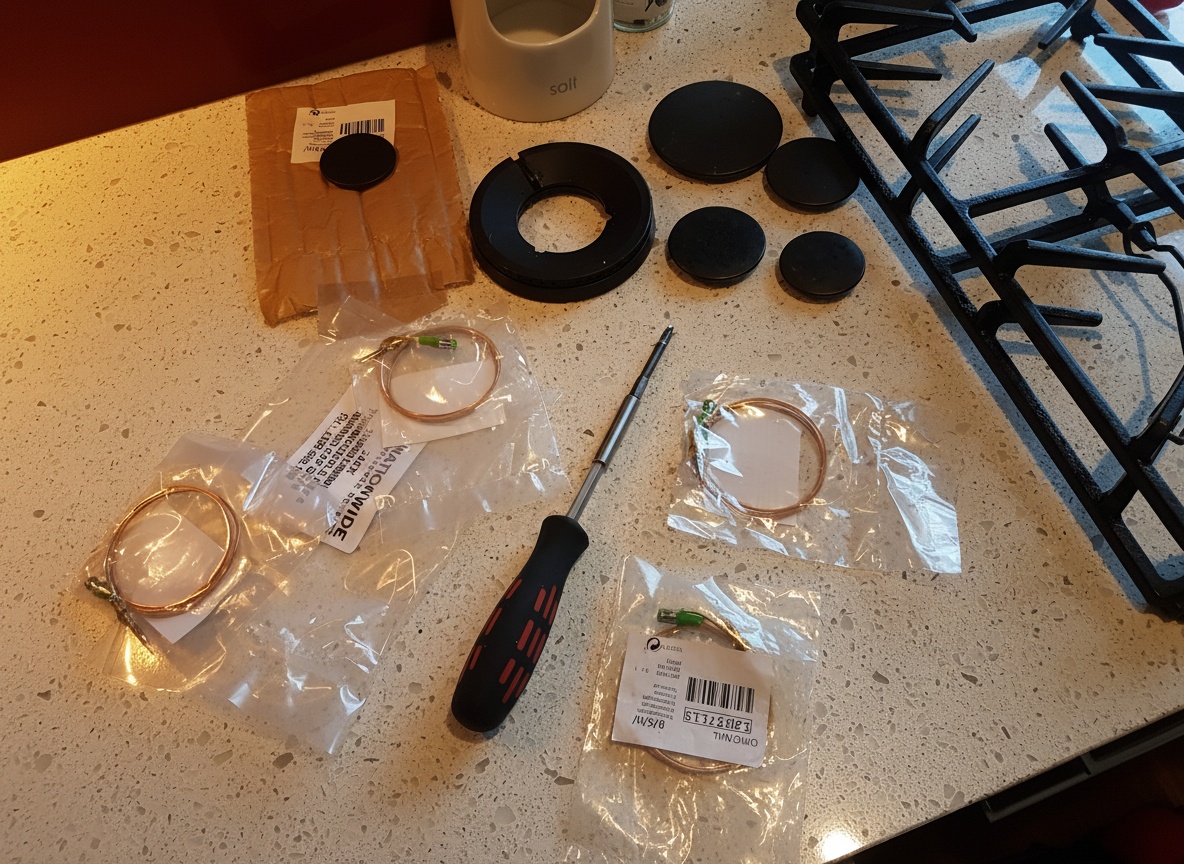
Most of us never think about appliance parts until something stops working, and that is exactly when they suddenly become the most important thing in the house. You load the dishwasher, press start, and nothing happens. The dryer runs but your clothes come out damp.
Behind almost every one of these little frustrations sits a single small component that has quietly given up. It is a strange world, because the cheapest piece in a machine is often the one that decides whether your whole evening goes to plan.
Why One Small Part Can Bring Down a Whole Machine
A washing machine has dozens of moving pieces. A fridge has even more. When just one of them fails, the entire thing can stop, even when everything else is in perfect health. That is the odd power of appliance parts. They are small, affordable, and easy to ignore, right up until the moment one of them decides your weekend laundry is not happening.
Picture a drain pump about the size of your fist. If it clogs or burns out, your washer will fill, wash, then flatly refuse to empty. The drum, the motor, and the electronics are all fine. One part stops the show. If your machine is doing exactly that, the guide on a washing machine not draining runs through the usual suspects.
Genuine Pieces Versus Cheaper Copies
When a component fails, you usually face a choice. You can fit a genuine piece made for your exact model, or a cheaper generic version that looks close enough. Both can work. They do not always work the same way.
Genuine appliance parts are built to the original specifications, so they fit properly and tend to last about as long as the piece they replaced. Generic appliance parts can save money up front, but a slightly wrong size or thinner material can mean a shorter life or a sloppy fit.
For something like a door seal or a heating element, that gap matters far more than the price tag suggests.
The real skill is knowing when a generic option is fine and when it is false economy. A simple plastic clip is often no problem at all. A safety related electrical component is worth getting right the first time.
How Parts Wear Out Long Before You Notice
Most appliance parts do not fail all at once. They fade. A fridge seal slowly loses its grip, so the motor works harder and your power bill creeps up. Government guidance on maintaining refrigerators and freezers makes the same point, noting that a poor seal forces the appliance to run harder than it should.
A dryer belt stretches a little more each month until one day it snaps. An oven element heats unevenly for weeks before it finally dies.
This slow decline is why small problems are worth catching early. A worn part rarely stays a small problem on its own. It quietly drags other appliance parts down with it, turning a minor fix into a much bigger repair.
Paying attention to small changes, a louder spin cycle, a fridge that runs nonstop, a drying load that takes twice as long, often points straight at a part on its way out.
When a Failing Part Decides Repair or Replace
Here is where appliance parts get genuinely interesting. The same broken component can mean an easy fix on one machine and time to replace on another. It depends on the part itself, the age of the appliance, and what else is happening inside it.
A commercial fridge that stops getting cold might simply need a new fan or thermostat, or it might be warning you that the compressor is on its way out. The breakdown of a commercial fridge not cooling explains how to tell the two apart.
The same thinking applies to an ice machine that has slowed to a crawl. Working through an ice machine troubleshooting checklist often reveals whether you are looking at a quick swap or something deeper.
The honest answer is that replacing a single part is usually far cheaper than buying a whole new appliance. But not always. When several appliance parts are tired at the same time, fixing them one by one can quietly cost more than starting fresh.
What Happens When a Part Is Hard to Find
Older appliances bring a different worry. What if the bit you need is not made anymore? It happens more than you would expect. Manufacturers discontinue models, and the matching appliance parts slowly vanish from shelves a few years later.
The good news is that discontinued does not always mean dead. Some parts have aftermarket equivalents. Others can be fabricated to match the original. If you have been told a component is no longer available, it is often worth a second opinion before you write off the whole machine.
This is the kind of work the team at Citywide Melbourne Appliance Repairs deals with every day, sourcing, matching, and sometimes building the pieces that keep older machines alive long after the brand has moved on.
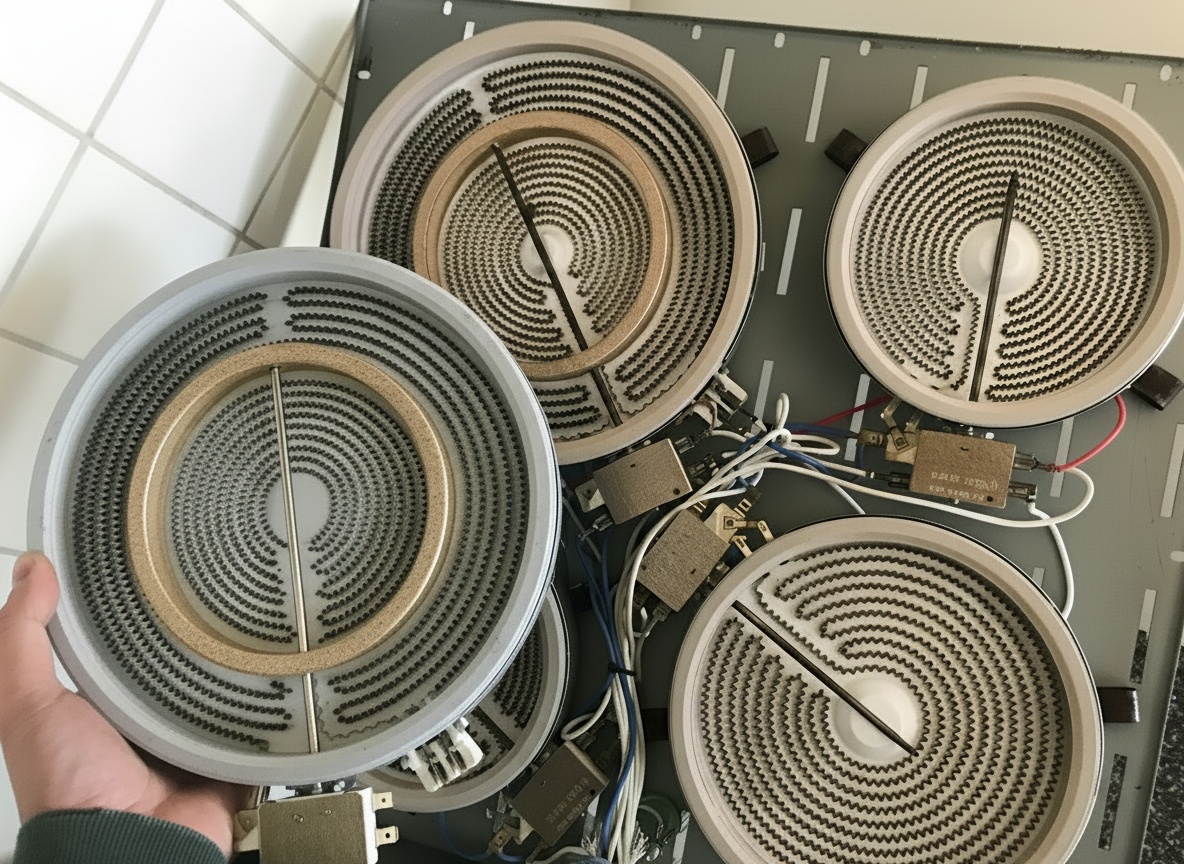
Simple Habits That Make Parts Last Longer
You cannot stop appliance parts from ageing, but you can slow the process down. Clean the lint filter in your dryer after every load, a small step that fire authorities tie directly to dryer fire safety.
Wipe the door seal on your fridge so it stays flexible, and clear the dust off the refrigerator condenser coils now and then so the motor is not fighting a layer of grime. Try not to overload the washing machine. Run a cleaning cycle through the dishwasher now and then. These tiny habits take seconds and protect the appliance parts that tend to wear out first.
None of this turns you into a technician, and it does not need to. It just buys you time, keeps your bills lower, and means fewer surprises on a busy morning.
Frequently Asked Questions (FAQs)
Q1 – How Do I Know Which Component Has Failed?
Start with the symptom. A washer that fills but will not drain usually points to the pump. An oven that will not heat normally means the element. If you are unsure, a technician can run a quick diagnostic and tell you exactly which of the appliance parts is at fault before any money is spent.
Q2 – Are Genuine Parts Always Better Than Generic Ones?
Not always, but often. Genuine options match the original fit and lifespan, which really matters for seals, elements, and electrical pieces. For a simple plastic clip or a trim cover, a good quality generic version is usually perfectly fine.
Q3 – Is It Cheaper to Replace a Part or Buy a New Appliance?
Usually a single repair is far cheaper than a brand new machine. The maths shifts when an appliance is old and several pieces are failing together, because those repairs can add up to more than a full replacement.
Q4 – What If the Part I Need Is No Longer Made?
Discontinued does not always mean unavailable. Many components have aftermarket equivalents, and some can be custom made to match the original. It is worth checking before you assume the appliance is beyond saving.
Q5 – How Can I Make My Components Last Longer?
Regular cleaning and gentle use do most of the heavy lifting. Clear the filters, wipe the seals, avoid overloading, and sort out small faults early. Look after them well, and your appliance parts will keep your machines running for years.


When to Service or Replace Your Commercial Dishwasher?
From limescale to leaks, know when your commercial dishwasher needs attention. Melbourne’s kitchens trust Citywide for fast, reliable repairs. Book now. Most hospitality businesses don’t
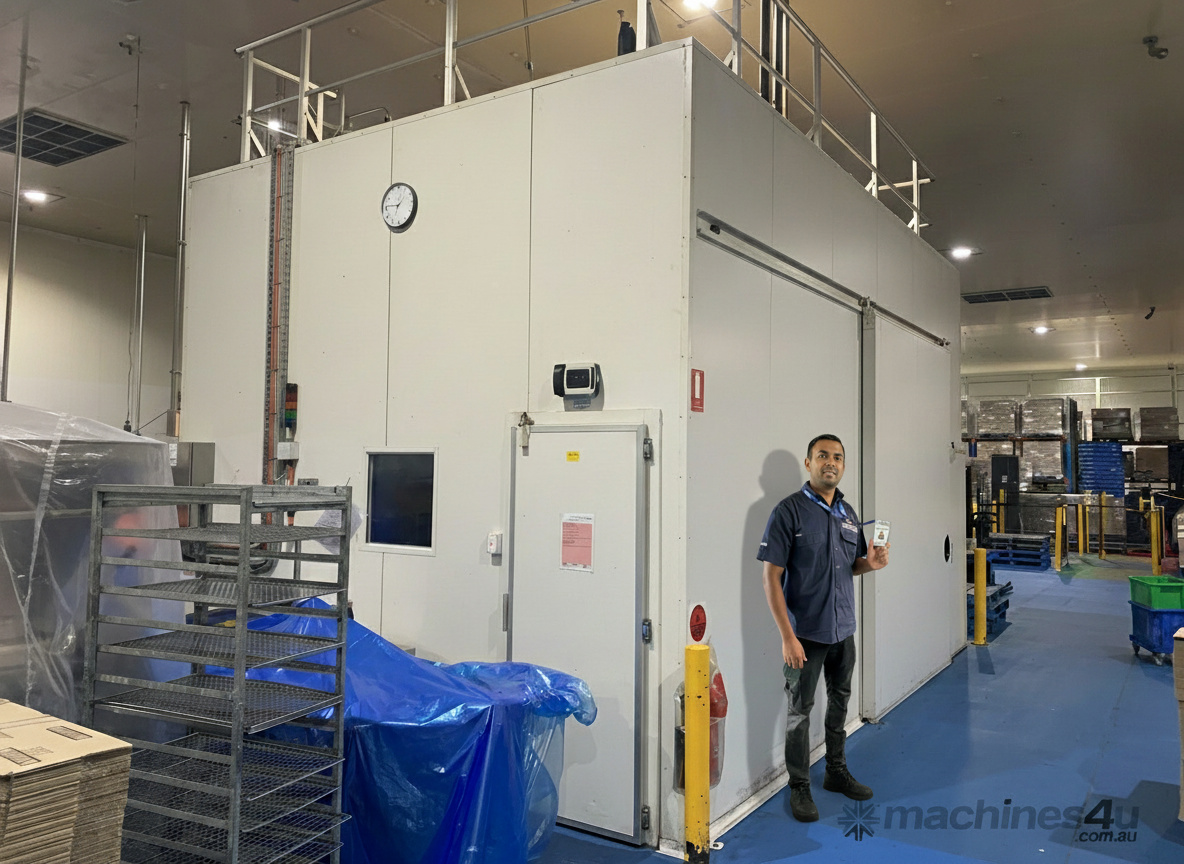

When Should a Restaurant Replace or Repair Its Cool Room?
Rising bills, temperature drops, recurring faults, your cool room may be past repair. Get an honest assessment from Citywide Melbourne. The first sign is usually

Hoshizaki Ice Machine Troubleshooting Guide
Hoshizaki ice machine not making ice or beeping? Diagnose the fault fast and know when to call a Melbourne technician. Same-day inspections available. Hoshizaki Ice
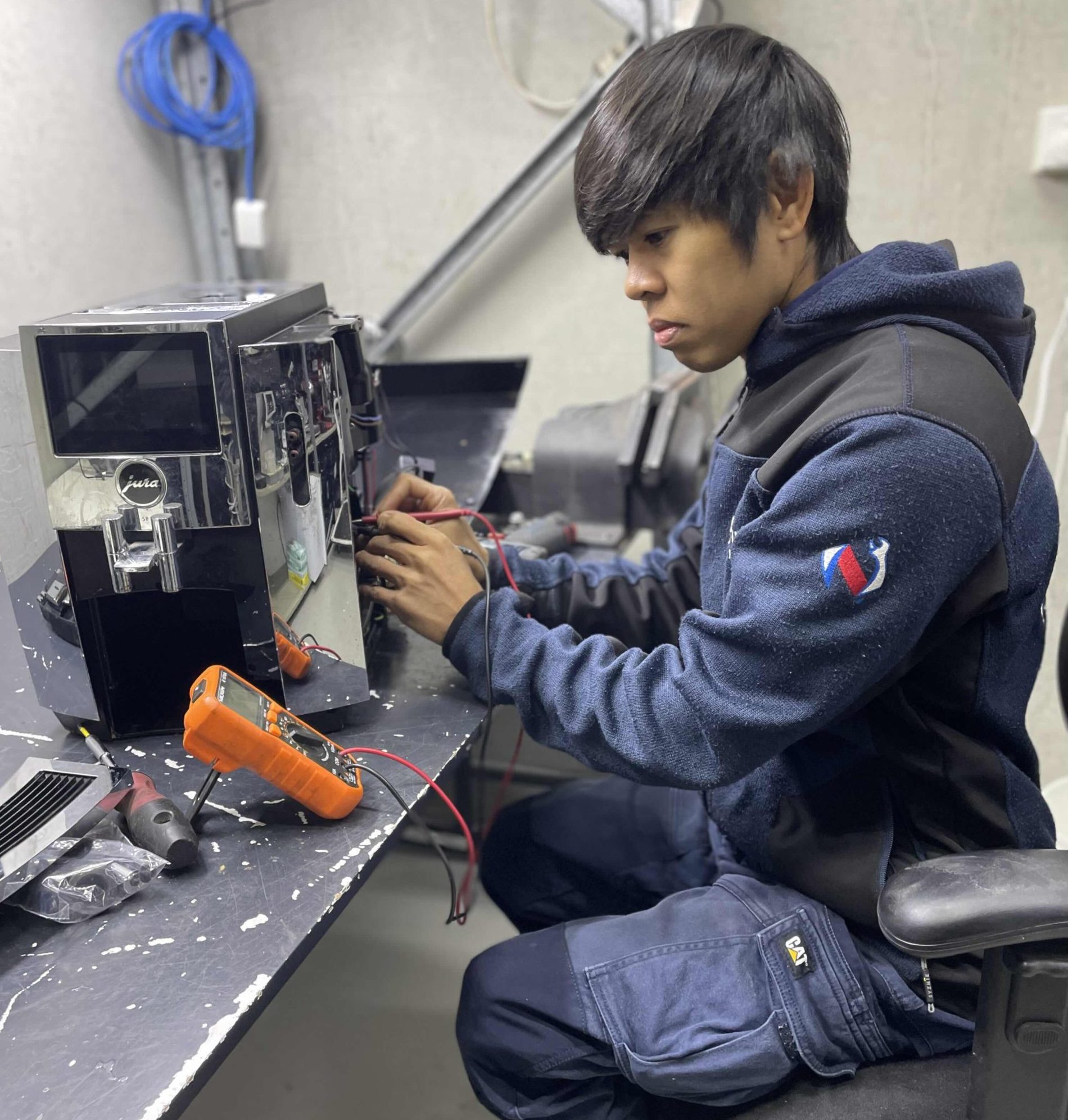
Appliance Parts No Longer Available? We Custom Make Them
Discontinued parts don’t always mean a write-off. We custom make oven elements, door glass and more, and we’ll tell you honestly if repair is worth
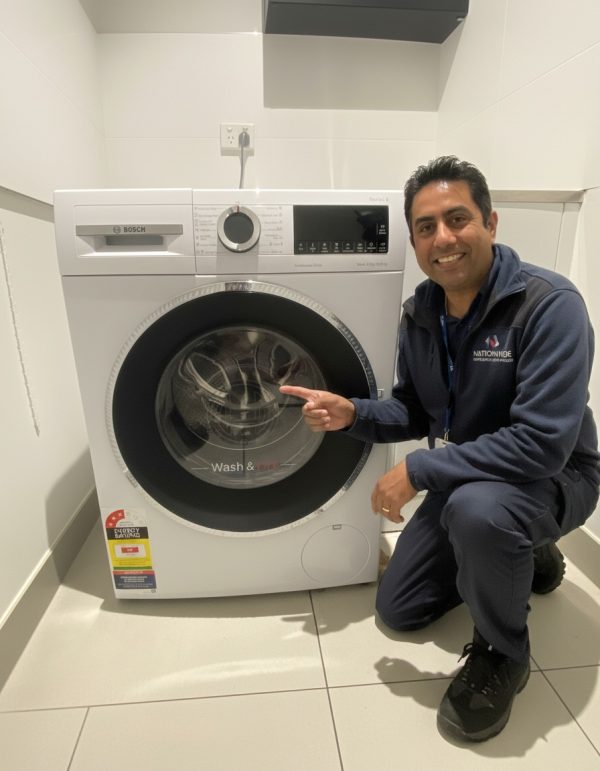
Washing Machine Not Draining? A Guide on How to Fix It
Washing machine not draining? Most faults come down to the filter or hose ÔÇö fix it yourself or book a same-day Melbourne technician. You opened
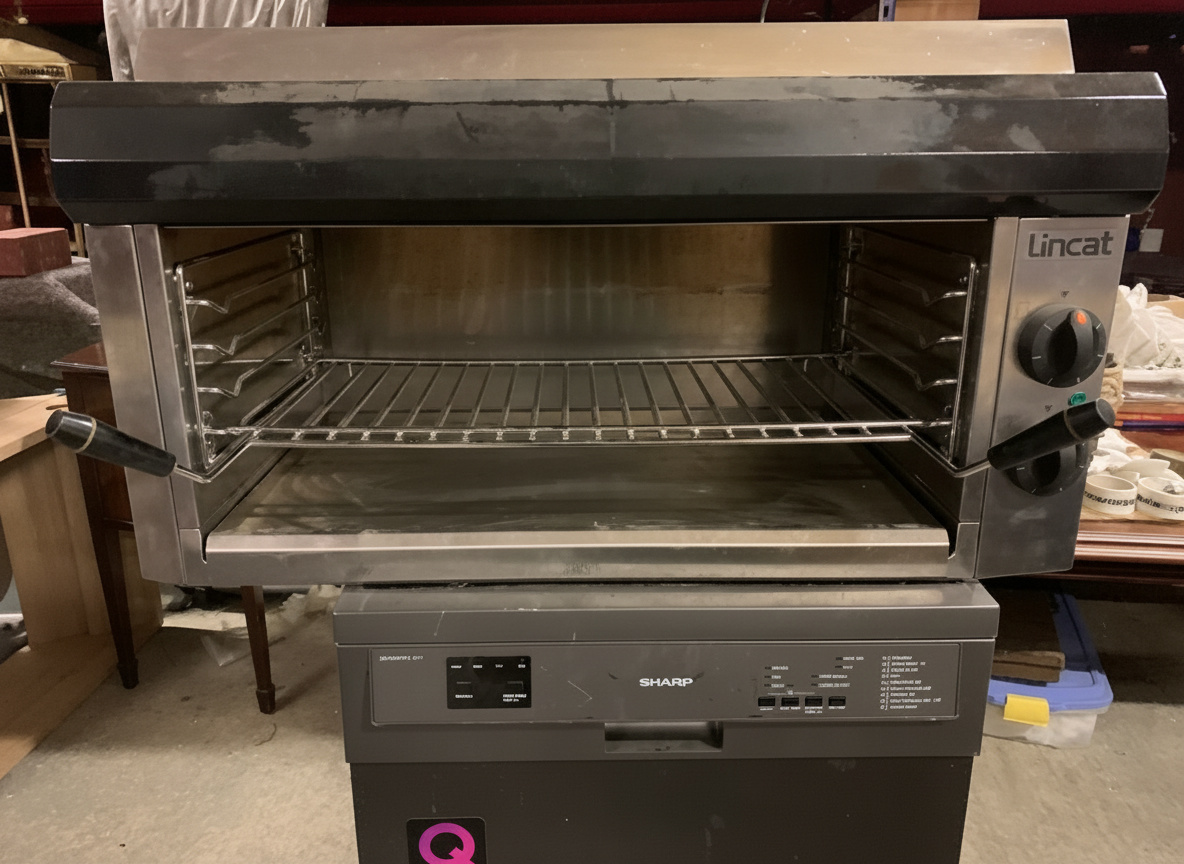
Commercial Oven Repair or Replace? Melbourne Cost Guide
Wondering whether to repair or replace your commercial oven? A Melbourne cost guide covering realistic price ranges, downtime, and when each call makes sense. For