
An urgent washing machine repair has a way of arriving at the worst possible moment, usually with a full drum of soaking clothes and a floor that is slowly getting wet. 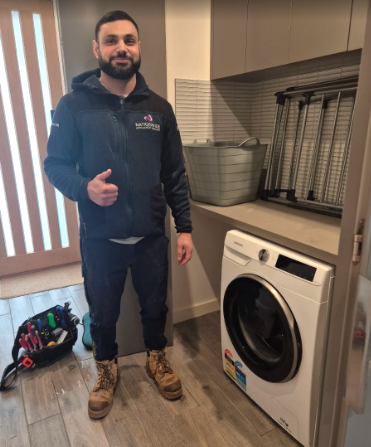
When the machine stops mid-cycle, floods the laundry, or refuses to spin the night before you need clean work clothes, waiting days for help does not feel like an option. The good news is that there are sensible things you can do right away to keep the situation under control and to stop a small fault turning into a bigger one.
A washing machine repair does not always mean a technician on the doorstep within the hour, but knowing how to respond calmly makes all the difference. This is not about pretending to be a technician.
It is about knowing the safe first moves, the quick checks worth doing, and how to tell the difference between something you can nurse along and something that needs a professional fast.
First, Make the Machine Safe
Before anything else, a washing machine repair starts with safety. If water is pooling on the floor, if you can smell burning, or if the machine is sparking or tripping the power, switch it off at the wall and unplug it where it is safe to reach.
Turn off the water taps behind the machine too, since a burst hose will keep flooding long after the cycle has stopped. Every washing machine repair should begin with the power and water isolated.
Running a machine that is clearly faulty is the fastest way to turn one problem into two. A small leak left going can warp your floor, and a straining motor can burn out entirely. The same logic behind workplace rules on damaged electrical equipment applies at home, isolate anything unsafe straight away rather than pushing it through one more load.
Deal With a Drum Full of Water
A stalled machine full of water is the most common panic. Before you reach for towels, check whether the door will open on its own once the cycle is cancelled. Many front loaders keep the door locked until the water level drops, so forcing it can flood the room in one go.
If the water will not drain, the culprit is often a blocked filter or a kinked hose rather than a dead machine. Most machines have a small drain hose or filter access behind a panel at the front bottom, which lets you empty the drum into a shallow tray before you go any further.
Clearing that safely often buys you time even when a full washing machine repair is still needed to fix the underlying cause, the same way a stalled oven before a dinner does not always mean disaster, as this piece on broken ovens explains.
Run the Quick Checks That Often Help
A surprising number of urgent faults come down to something simple. Before you assume the worst, work through the basics calmly.
Check the machine is getting power and that no breaker has tripped. Make sure the door is latching properly, since a door that does not click shut will stop many machines from starting at all. Look at the load itself, because a single heavy item like a doona thrown to one side will trigger an unbalanced load and stop the spin.
Redistributing the washing and restarting solves this more often than people expect, and it can save you from booking a washing machine repair you did not actually need. If your machine is showing an error code on the display, note it down rather than clearing it, since that code is a direct clue for whoever handles the washing machine repair.
Know What You Should Not Attempt
Some jobs are genuinely fine to tackle. Clearing a filter, checking a hose, or rebalancing a load are all reasonable. But a washing machine mixes water and electricity in a tight space, and that is where a do-it-yourself washing machine repair can go wrong quickly.
Anything behind the back or bottom panel, such as the drum bearings, the drive belt, the motor, or the control board, needs a qualified technician with the right tools and genuine parts. Wiring, pressure sensors, and the pump are not places to experiment, and a botched washing machine repair here can be dangerous.
If your machine is still under warranty, opening it up yourself can also void that cover, which turns a free fix into a paid one. When the fault is clearly internal, the smart move is to isolate the machine and book a professional rather than risk injury or extra damage.

Getting a Fast Repair Booked
When the fault is beyond a quick check, how you make the call affects how quickly it gets solved. Have the brand, model number, and any error code ready, along with a short description of what the machine was doing when it failed.
A technician who knows the model before they arrive can often bring the right part and complete the washing machine repair in a single visit rather than coming back a second time.
It also helps to mention the machine’s history. If it has had the same fault before, or if it is an older unit that has been repaired more than once, say so. That context helps a technician weigh up whether another washing machine repair makes sense or whether the machine is nearing the end of its life.
The team at Citywide Melbourne Appliance Repairs point out that a clear phone description is often what turns a two-visit job into a one-visit fix. Keeping a simple appliance repair checklist by the machine makes gathering all of this quick when you are under pressure.
When Parts Are Hard to Find
One worry with an older machine is hearing that a part is no longer made. That is not always the end of the road. Some repairers can source generic equivalents or fabricate a replacement, and understanding the appliance parts behind your machine helps explain why.
It means a machine you assumed was dead can sometimes be brought back with a straightforward washing machine repair for far less than a replacement.
While you wait, it is also worth thinking about running costs if a replacement does turn out to be the answer. The government guide to the Energy Rating Label explains how to compare efficiency between models, so you are ready to choose well rather than in a rush.
It is worth weighing water efficiency too, since a newer machine can use far less per load, and checking the water rating label at the point of sale tells you how much water a model uses before you buy.
Keeping Small Faults From Becoming Urgent
The best urgent washing machine repair is the one you head off early. Cleaning the filter regularly, wiping the door seal, checking pockets for coins, and not overloading the drum all prevent the faults technicians see most.
A grinding or banging noise, a machine that walks across the floor, or one that leaves clothes soaking wet are all early hints worth acting on before they become a flooded laundry at 10pm.
Catching those signs early keeps a washing machine repair small and low-cost, and it means the next one is far more likely to be a quick tune-up than an emergency.
Frequently Asked Questions (FAQs)
Q1. My Washing Machine Stopped Mid-Cycle and Is Full of Water. What Do I Do?
Cancel the cycle and give the machine a few minutes to drain and release the door lock. If it will not drain, check the filter and drain hose for blockages, and empty the drum through the front filter access into a shallow tray before doing anything else.
Q2. Is It Safe to Keep Using a Machine That Leaks a Little?
No. Even a small leak can warp flooring and reach electrical parts. Switch the machine off, turn off the water taps behind it, and have it looked at before running another load, since the leak usually worsens with use.
Q3. Can I Fix a Washing Machine Myself?
Simple things like clearing the filter, checking hoses, or rebalancing a load are fine. Anything involving the motor, bearings, drive belt, control board, or wiring should go to a qualified technician, both for safety and to avoid voiding your warranty.
Q4. What Information Should I Give When Booking a Repair?
Have the brand, model number, and any error code shown on the display, plus a short description of the symptoms. This lets the technician arrive with the right part and often complete the job in one visit.
Q5. My Machine Is Old and a Part Is Discontinued. Is It Worth Repairing?
Often, yes. Many discontinued parts can be sourced as generic equivalents or custom made, so an older machine can be repaired for less than replacing it. A technician can assess whether that is the sensible option for your model.
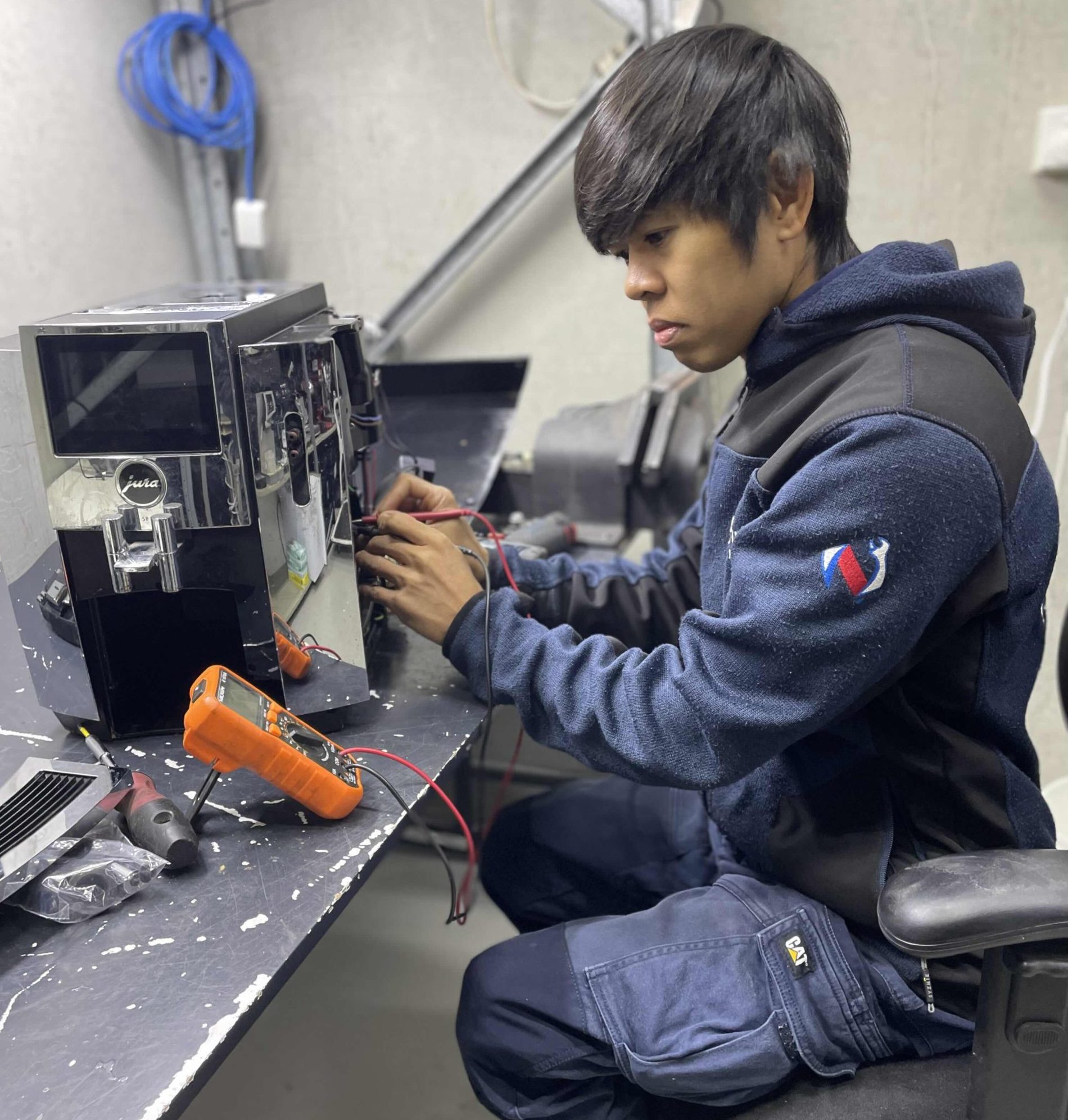

Appliance Parts No Longer Available? We Custom Make Them
Discontinued parts don’t always mean a write-off. We custom make oven elements, door glass and more, and we’ll tell you honestly if repair is worth

Hoshizaki Ice Machine Troubleshooting Guide
Hoshizaki ice machine not making ice or beeping? Diagnose the fault fast and know when to call a Melbourne technician. Same-day inspections available. Hoshizaki Ice
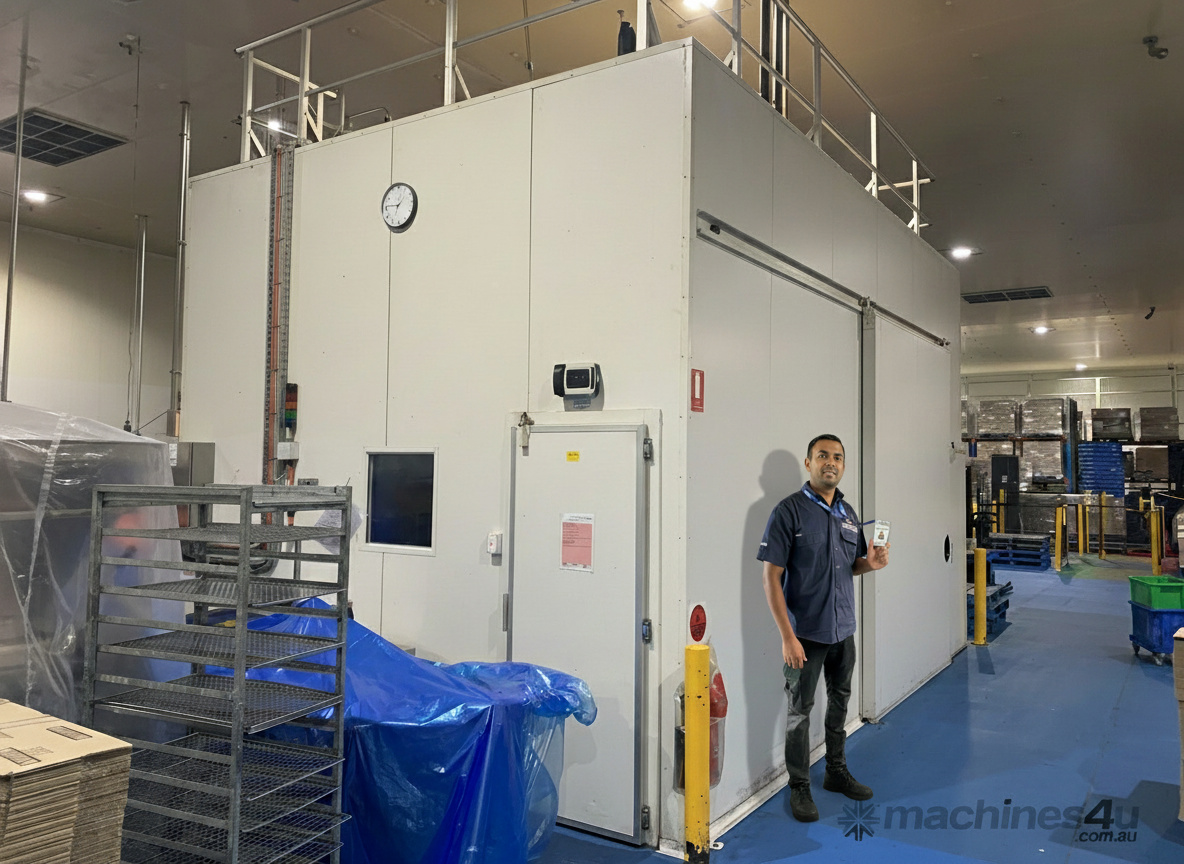
When Should a Restaurant Replace or Repair Its Cool Room?
Rising bills, temperature drops, recurring faults, your cool room may be past repair. Get an honest assessment from Citywide Melbourne. The first sign is usually


When to Service or Replace Your Commercial Dishwasher?
From limescale to leaks, know when your commercial dishwasher needs attention. Melbourne’s kitchens trust Citywide for fast, reliable repairs. Book now. Most hospitality businesses don’t